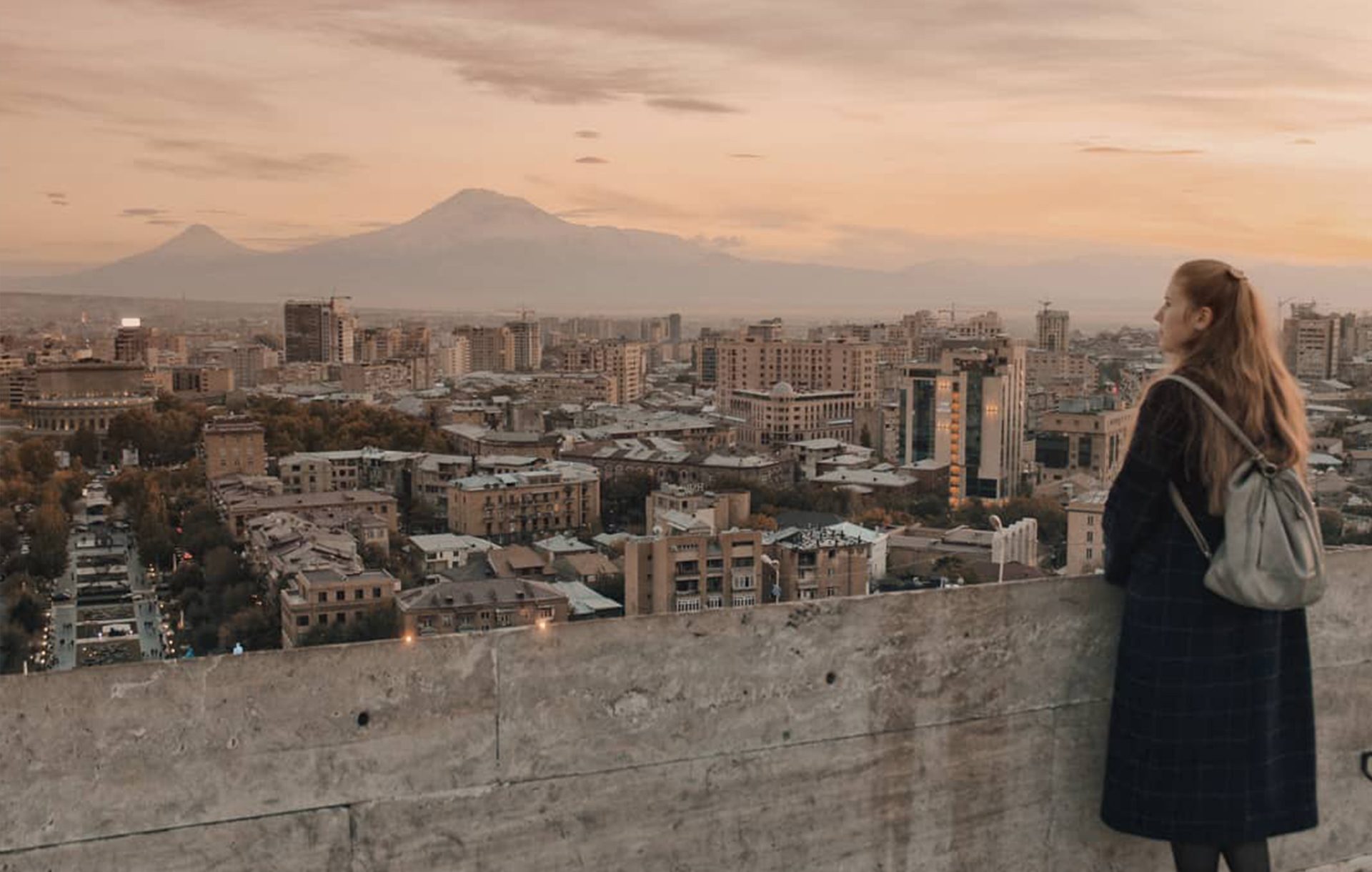
North-East Armenia: Monasteries, Forests and Hidden Trails
Head off the beaten track in north-east Armenia: UNESCO monasteries at Haghpat and Sanahin, the Dilijan reserve, ancient frescoes and rich mountain wildlife.
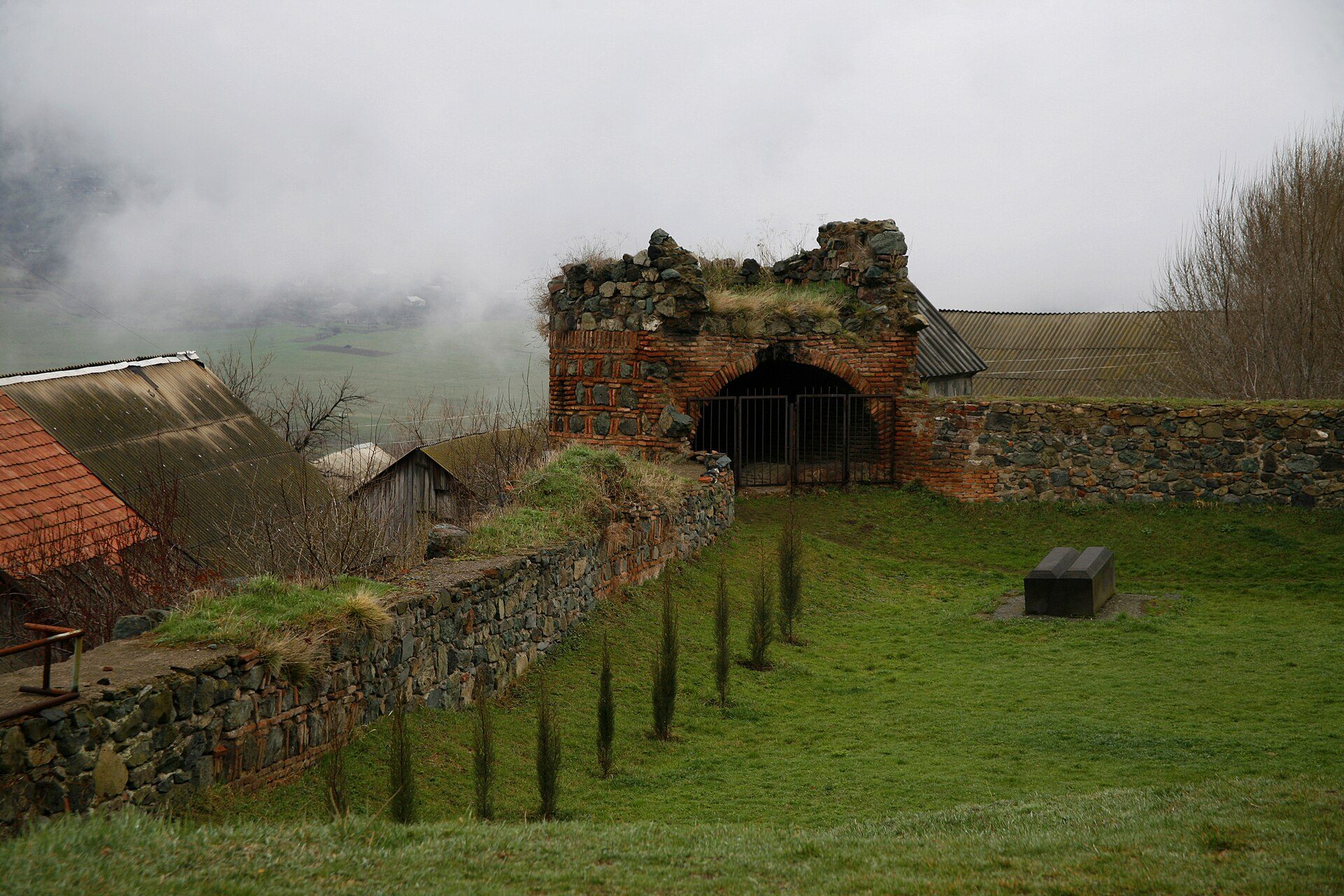
Photo: Saro Hovhannisyan · CC BY-SA 4.0 · via Wikimedia Commons
Armenia, the first Christian nation in the history of the world, offers its visitors a prodigious architectural heritage, most notably its grand monasteries. You will find many of them in this travel guide, but they are also a fine excuse to admire the wild green country that surrounds them. You can take your time hiking through lush nature, with a wildlife particularly rich in mammals that also counts a great many species of birds.
Your journey through north-east Armenia will be at once touristic, cultural, ideal for discovering nature and full of active pursuits.
The monasteries of Haghpat and Sanahin
Listed as UNESCO World Heritage sites, the two monasteries of Haghpat and Sanahin sit on opposite sides of the Debed canyon. They are two jewels, set amid vast grounds, with buildings on either side. Each dominates its territory with its bell tower.
Haghpat has a famous colourful khachkar depicting Jesus, and is renowned for its half-buried buildings.
Sanahin has a round library with exquisite carvings. You can take a cable car from the main motorway up to the village of Sanahin, and walk for twenty minutes to the monastery. You will pass the Mikoyan Museum on the way up.
The Mikoyan Museum
This museum traces part of Armenia’s Soviet era. It is a shrine to the brothers Anastas and Artyom Mikoyan. Anastas was responsible for the administration of food in the USSR and survived 60 years in the Politburo, outlasting even Stalin.
Artyom was the designer of the USSR’s first jet fighter during the Second World War, the MiG. An example of the first MiG aircraft stands outside the museum, and many photographs, medals, uniforms, plans and aircraft drawings are fascinating to discover inside.
The museum also serves as an information centre, with details of hikes in the region.
The monasteries of Kobayr and Surp Grigori
The two monasteries of Kobayr and Surp Grigori are located near the small town of Tumanyan in the Debed gorge. Kobayr, currently undergoing restoration, has some of the most impressive frescoes in Armenia and lies in a green and lush spot, halfway up the cliffs, above the little hamlet of Kober.
The trails leading to Surp Grigori are accessible from the motorway below or across the fields above the cliffs. The hike is a little longer from the bottom, but the route is much better, shorter and easier to find. This monastery gives the impression of being lost in time, and thanks to the hike and the few rare people who venture up here, you will probably have it all to yourself.
The monasteries of Odzun and Horomayri
The church of Odzun is an old and large basilica, located on a plain in the village of Odzun. On the site there are also a few fascinating steles, placed there as a memorial.
At the edge of the plain, a few kilometres south of the village, stands a small stone structure, just above the cliffs. It has three chambers and formed the summit of the Horomayri monastery complex.
The complex is fairly well camouflaged, except for one dome that stands out and catches the eye. The climb is possible from the left of the upper structures. It requires a hike of about three-quarters of an hour.
The monasteries of Khorakert and Khuchapi
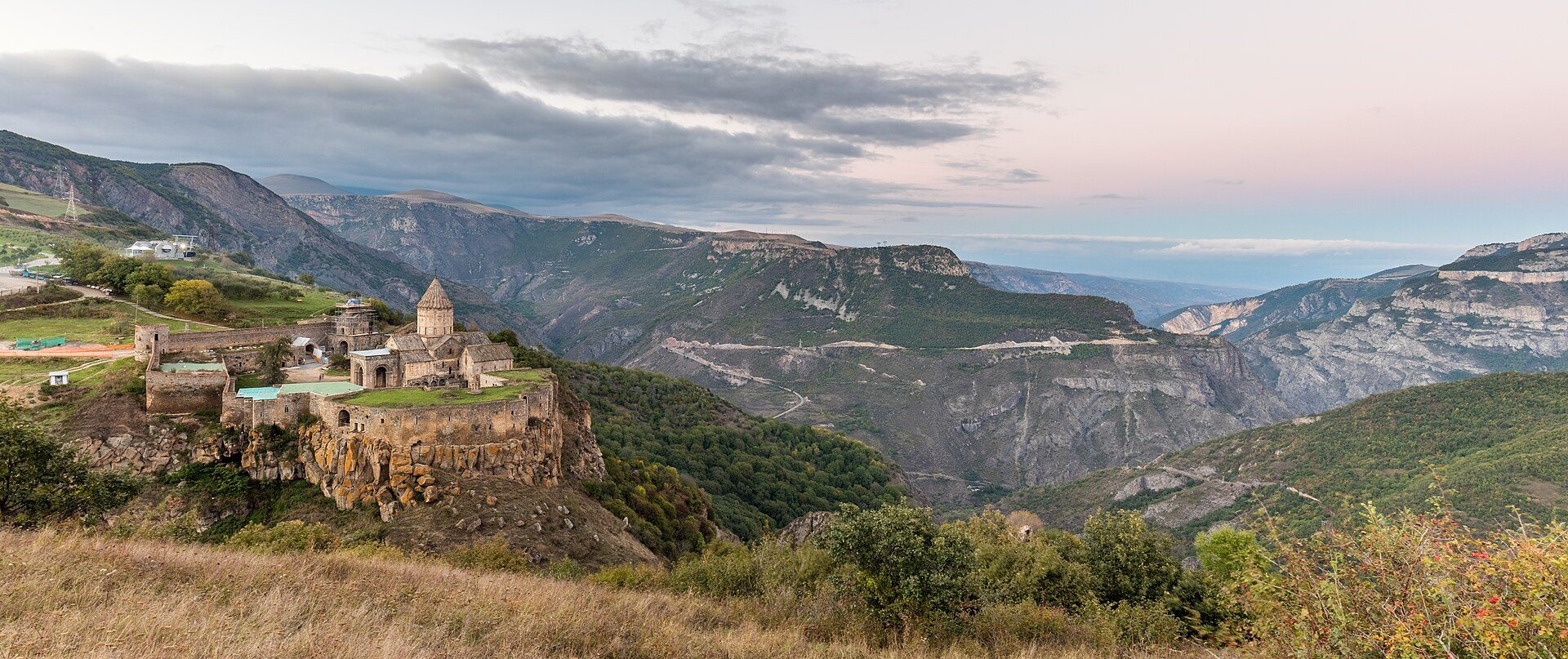
The monasteries of Khorakert and Khuchapi are lost in the mountains and forests of northern Armenia. They are absolutely magnificent and largely unknown to tourists.
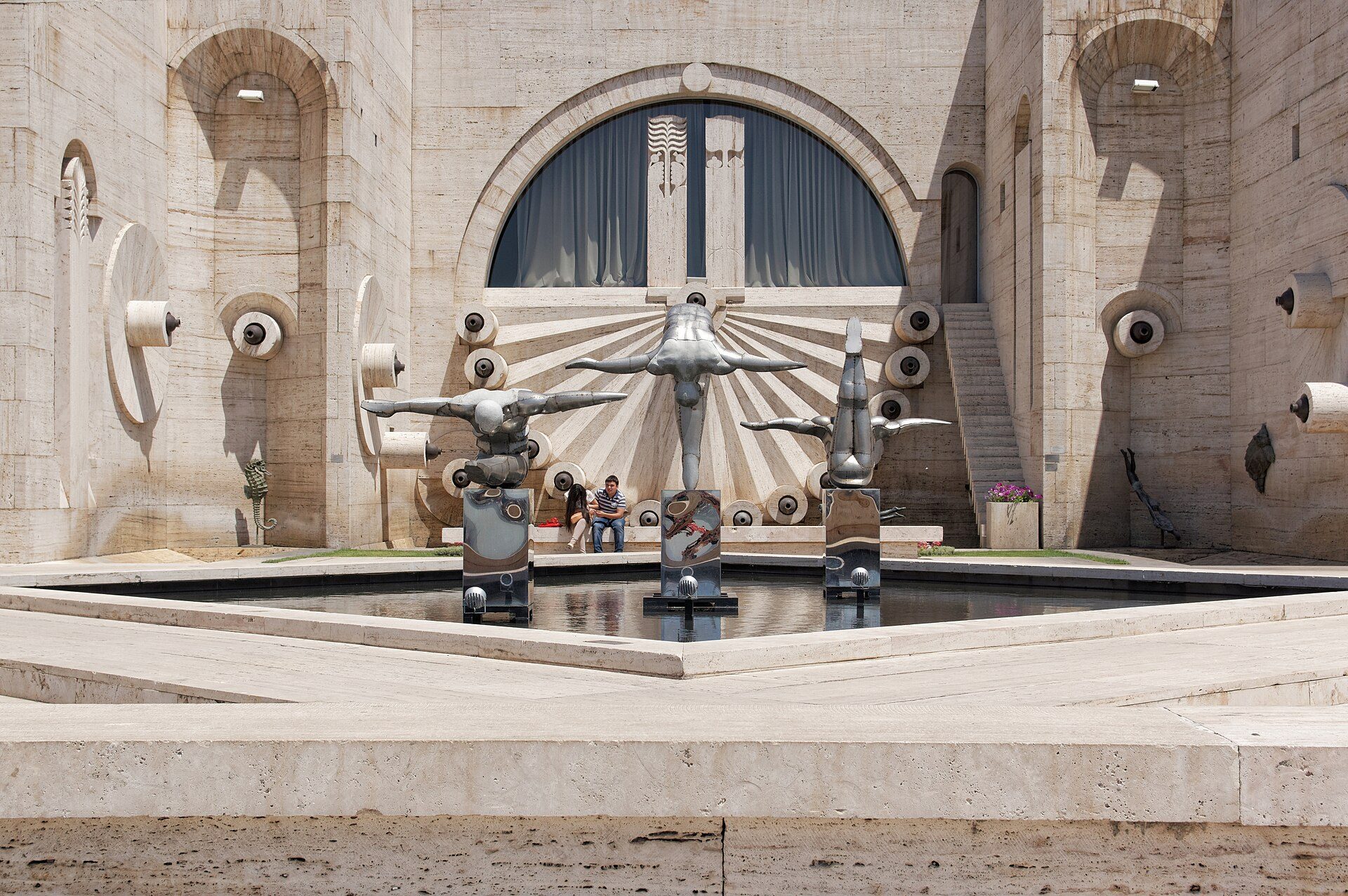
Getting there is a somewhat demanding excursion, but well within the reach of hikers, who will be richly rewarded. The architecture of Khorakert is fascinating. It was in fact the inspiration for the national cathedral that was completed in Yerevan in 2001.
Khuchapi is built with magnificent coloured stones, intricate carvings and tiny stairwells inside the walls that take you up to the soaring roof.
These places are prodigiously magical.
The monasteries of Haghartsin and Goshavank
The monasteries of Haghartsin and Goshavank are probably the most popular in Armenia. Haghartsin is surrounded by magnificent nature, while Goshavank is surrounded by a traditional village.
Both monasteries have incredibly intricate khachkars. The “lace” khachkar of Goshavank is one of the most impressive in the world. The Dilijan reserve surrounds them; it has waymarked hiking trails that let you discover lesser-known monasteries.
The Dilijan Reserve
Dilijan National Park offers many hiking trails for discovering the region north of Lake Sevan. You can even set out on a self-guided eighty-kilometre section of the Transcaucasian Trail through forests, mountains and monasteries.
Built by volunteers in 2017 with the generous support of HIKE Armenia and the Caucasus Nature Fund, this stretch of the Transcaucasian Trail takes you through the very best the region has to offer. It centres on the thermal town of Dilijan and the surrounding mountains of the national park. You are of course not obliged to walk the full eighty kilometres, but you can make stops along the way to tackle a portion of the route.
As well as admiring the region’s magnificent limestone escarpments and broadleaf forests, your hike will take you close to some of Armenia’s most iconic historic sites, notably the early Christian monasteries of Haghartsin and Goshavank, which date back to the 10th century, along with several lesser-known natural and cultural sites.
The keenest hikers will find plenty of wild camping opportunities along the route, giving them the freedom to adjust their itinerary according to their schedule and level of difficulty. For those who prefer to spend their nights indoors, guesthouses are available at every stop.
The route overlaps with many parts of the Dilijan National Park trail network. It is marked with red and white painted flashes, as well as directional waymarkers. It can be walked in either direction.
The town of Ijevan
Ijevan lies in the far north-east of Armenia. The town of nearly 200,000 inhabitants is the administrative, economic, religious and cultural centre of the Tavush region. It is also an important centre of Armenian craftsmanship.
Take the time to visit this out-of-the-way region, reputed to be one of the most beautiful places in the country thanks to the lush forests that cover the land. If you love nature, you can hike on foot or cycle and discover the wildlife, which is easier to observe here as it is rarely disturbed. The woods are full of natural springs that allow animals to drink easily, and it is there that you can wait for them.
The town itself is worth the detour. Ijevan is a town with an extremely rich architectural and cultural heritage, nicknamed the “town of 100 sculptures”. It takes its nickname from the many large art exhibitions devoted to sculpture that are held there. The sculptures are everywhere: in the parks, in the streets, in the squares, on the plazas.
The town is also a thermal resort that will offer you a well-earned rest in its spas after your hikes or cycling escapades.
Because of its out-of-the-way geographical position, the town is little frequented by tourists, and you will enjoy its natural, authentic charm all the more.
Plan your visit
The north-east is made for slow travel, from UNESCO monasteries to the forest trails of Dilijan. Build your own itinerary or book an all-inclusive tour with us, and pair the region with nearby Lake Sevan for a rewarding loop.