Yerevan and Its History
Older than Rome, shaped by war, empire and rebirth. Trace the 2,800-year story of Yerevan, from the Urartian fortress of Erebuni to Armenia's modern capital.
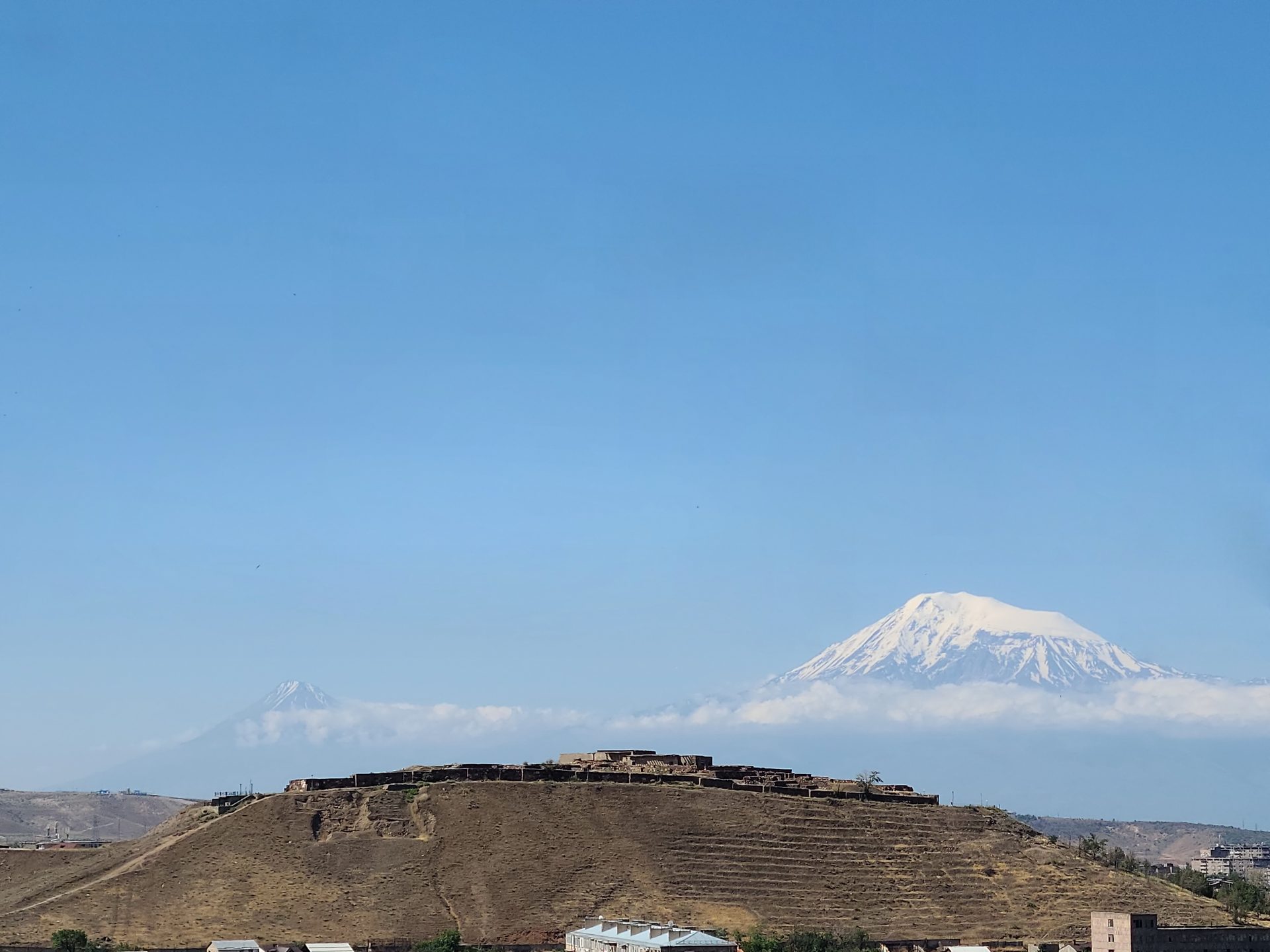
Photo: Armen Manukov · CC BY-SA 4.0 · via Wikimedia Commons
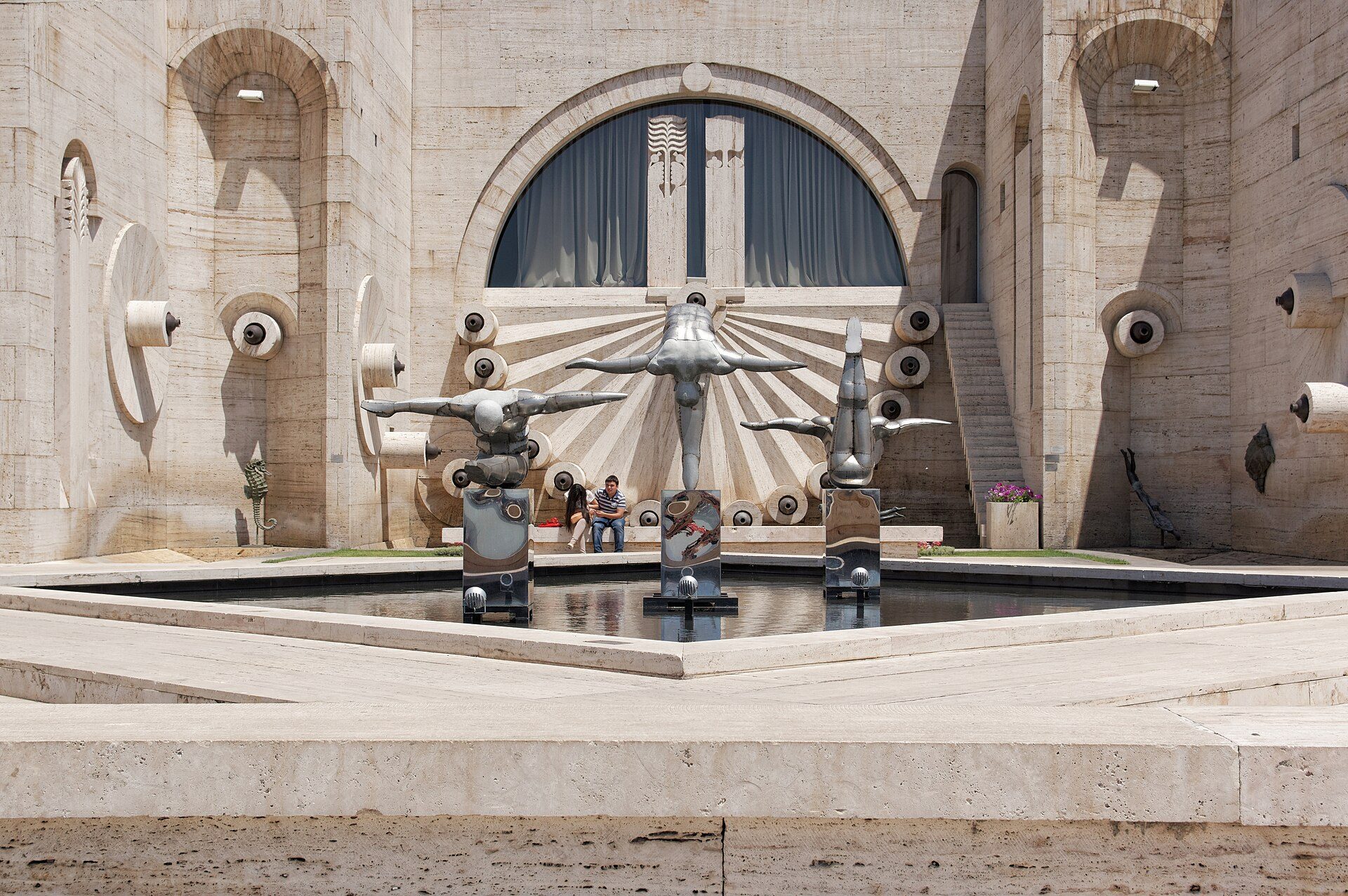
Yerevan has been the capital of Armenia since 1918, the twelfth, if you count all those that came before it. The city as we know it today, the heart of the Yerevan and around region, rises partly over the ancient Urartian settlement of Erebuni.
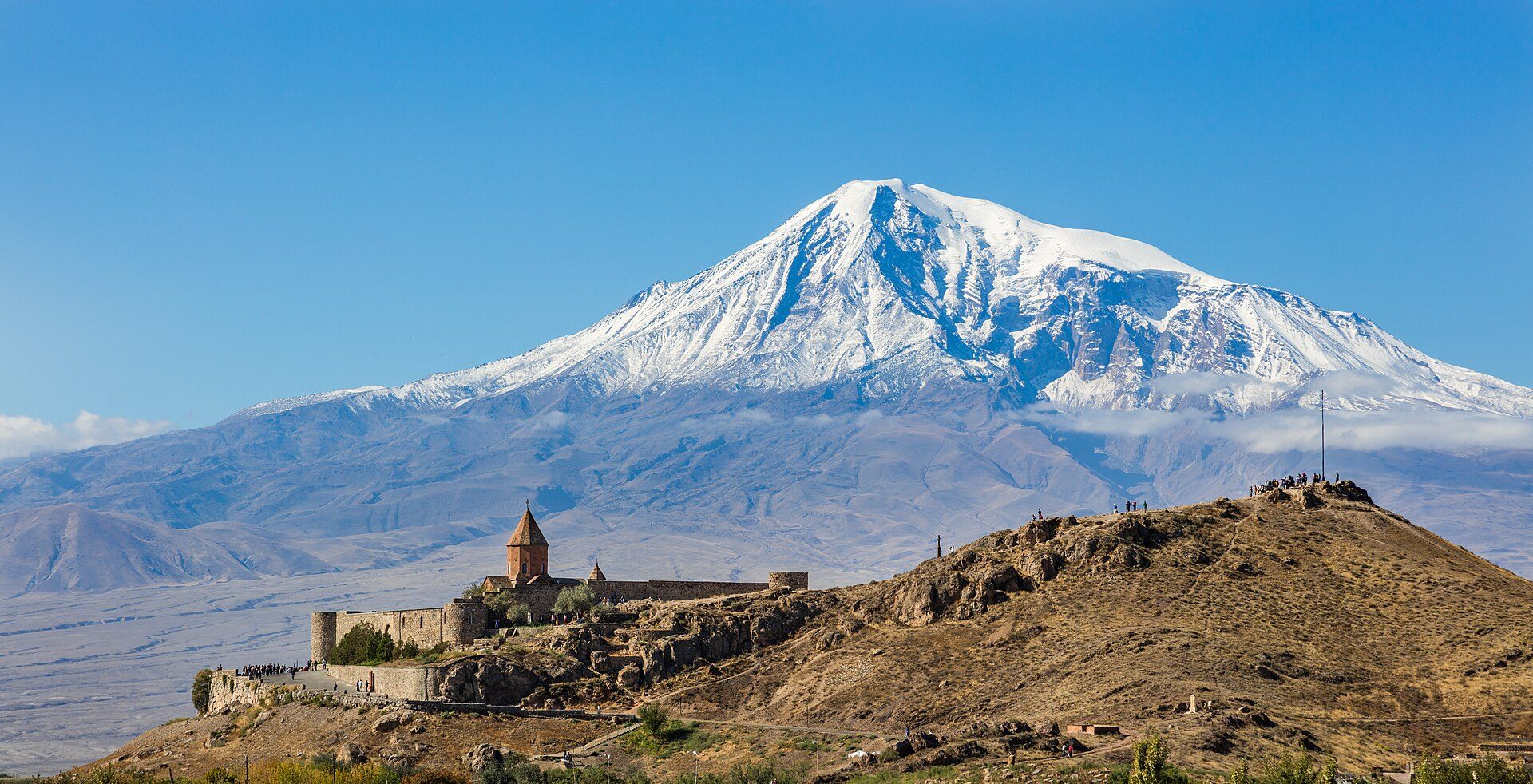
Geographically, Yerevan lies in the western part of Armenia, east of the Ararat plain and downstream of the gorges of the Hrazdan River. This is the story of how it came to be.
A city forged in conflict
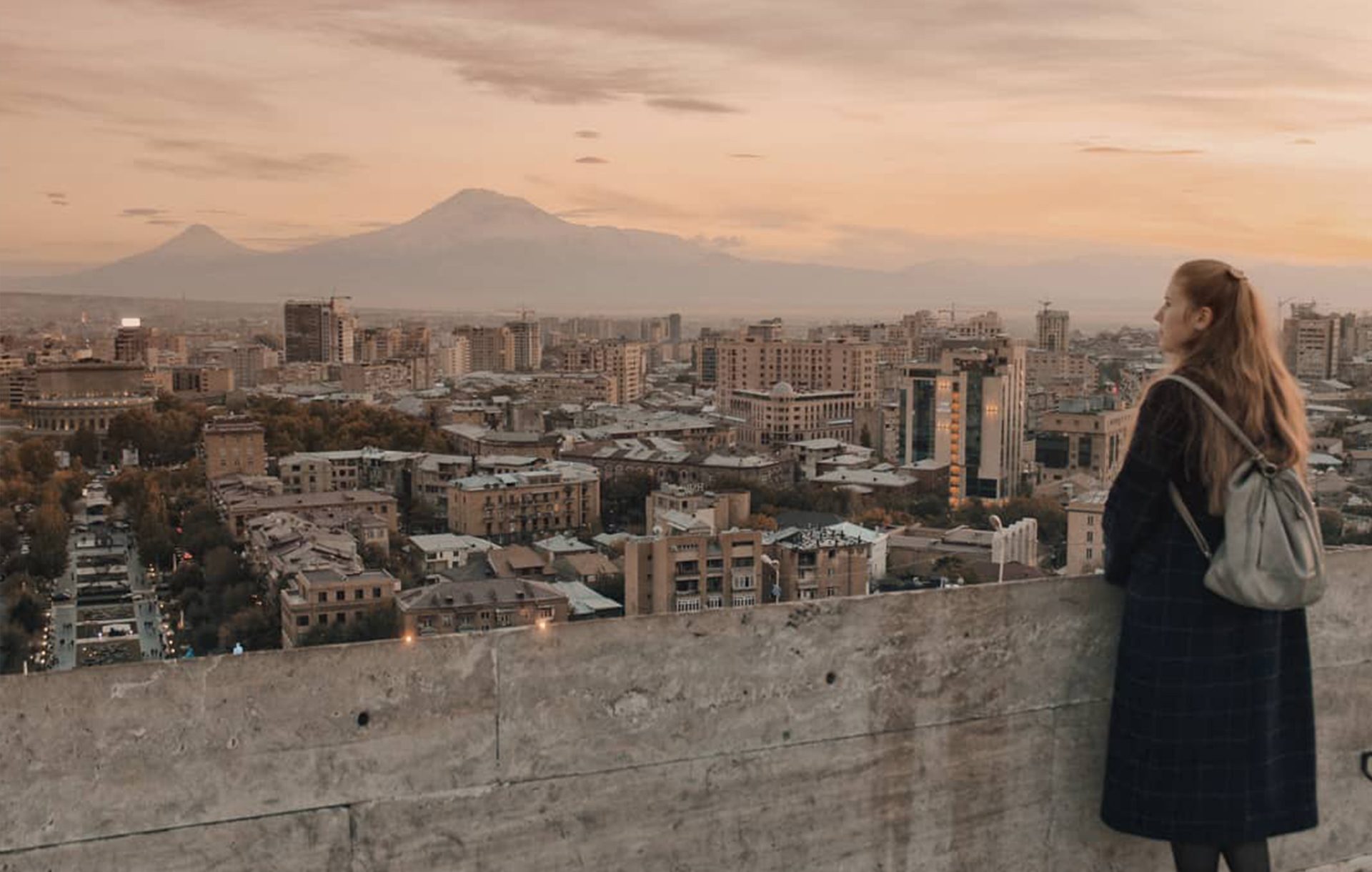
Before it was declared capital of the first Armenian Republic, Yerevan lived through 2,500 years of upheaval, battles, fires and earthquakes. Its modern chapter opened at the end of the First World War, a time when Armenia was also receiving survivors of the Armenian Genocide, a turning point told in full in our history of modern Armenia.
From the twentieth century onward, the city grew rapidly as part of the Soviet Union. Where the first republic’s capital held only a few thousand people, Yerevan today is home to more than 1.2 million. Within half a century of becoming the capital, it had become not only the seat of the country’s political institutions but also its foremost cultural, industrial and artistic centre.
Yerevan in antiquity
The city’s origins reach back to antiquity, to the Kingdom of Urartu whose story opens our account of Armenia from antiquity to the Middle Ages. In 782 BC, King Argishti I ordered the construction of a military fortress to guard against attacks from the north Caucasus, and so Erebuni was born.
Erebuni was inhabited for about a century before being abandoned in favour of a new fortress, Teishebaini, built further north by King Rusa II. Yerevan then became the capital of the northern province, a storehouse for tribute collected before being sent on to Tushpa, the heart of the kingdom.
Although the city’s history is not precisely documented between the 4th century BC and the 3rd century AD, we know of key events such as the sacking and burning of the city in 590 BC by the Medes and the Scythians. The Orontid people later rebuilt it.
Yerevan in the Middle Ages
Between the 5th and 6th centuries, Yerevan developed significantly, seeing the construction of its first church, Saints Peter and Paul, which stood until 1931.
The Arabs took the city in 658, making it the second settlement after Dvin, a status it kept until the 11th century. They sought to convert the population en masse but met such fierce resistance that Christianity remained a tolerated faith. Peace held until the revolts of 740 brought new fires and pillage.
Yerevan regained its autonomy around 850 under Ashot I, first king of the Bagratid dynasty, and recovered its standing around 920 under Ashot II, becoming the centre of eastern Armenia through vigorous economic and military growth across the 10th century.
Control shifted repeatedly: to the Byzantine emperor in 1023, then to the Seljuks, who seized Ani, the Ararat plain and Yerevan after much bloodshed. Not until 1201 did Armenians retake the city, through an alliance with powerful Georgia, beginning a golden age that lasted some twenty years.
Then came the Mongol and Turkic invasions from 1225. In 1256 Yerevan became the capital of one of the regions of the Mongol Empire, but famine and upheaval in the 13th century drove much of the population away. Invasion and plunder would remain part of the city’s story for centuries to come.
Yerevan in modern times
Between the 15th and 17th centuries, Yerevan knew only dark times, caught in bloody disputes between Persians and Turks, further attacks, and even an earthquake in 1679.
Russian forces occupied the city in 1827, and it grew quickly enough to become a provincial capital by 1849. In 1918 Yerevan became the capital of the newly independent Republic of Armenia, remaining the country’s centre until 1920, a transformation that reshaped the city entirely.
It briefly lost capital status to Tbilisi in 1922, regained it in 1936 under Soviet Armenia, and kept it through independence in 1991. The economic crisis of the 1990s hit hard, worsened by the blockade imposed by Turkey and Azerbaijan, but from the 2000s the city found new momentum, and built the modern, cosmopolitan face it wears today, complete with a buzzing nightlife.
Plan your visit
Walk the streets where nearly three millennia of history still show through. Build your own itinerary or book an all-inclusive tour to explore Yerevan and beyond, and discover more of what awaits in the Yerevan and around region.