Armenia's UNESCO Intangible Cultural Heritage (Official List)
UNESCO Intangible Heritage in Armenia: the eight living traditions on the official list, from the duduk and lavash to khachkars and the epic of Sassoun.
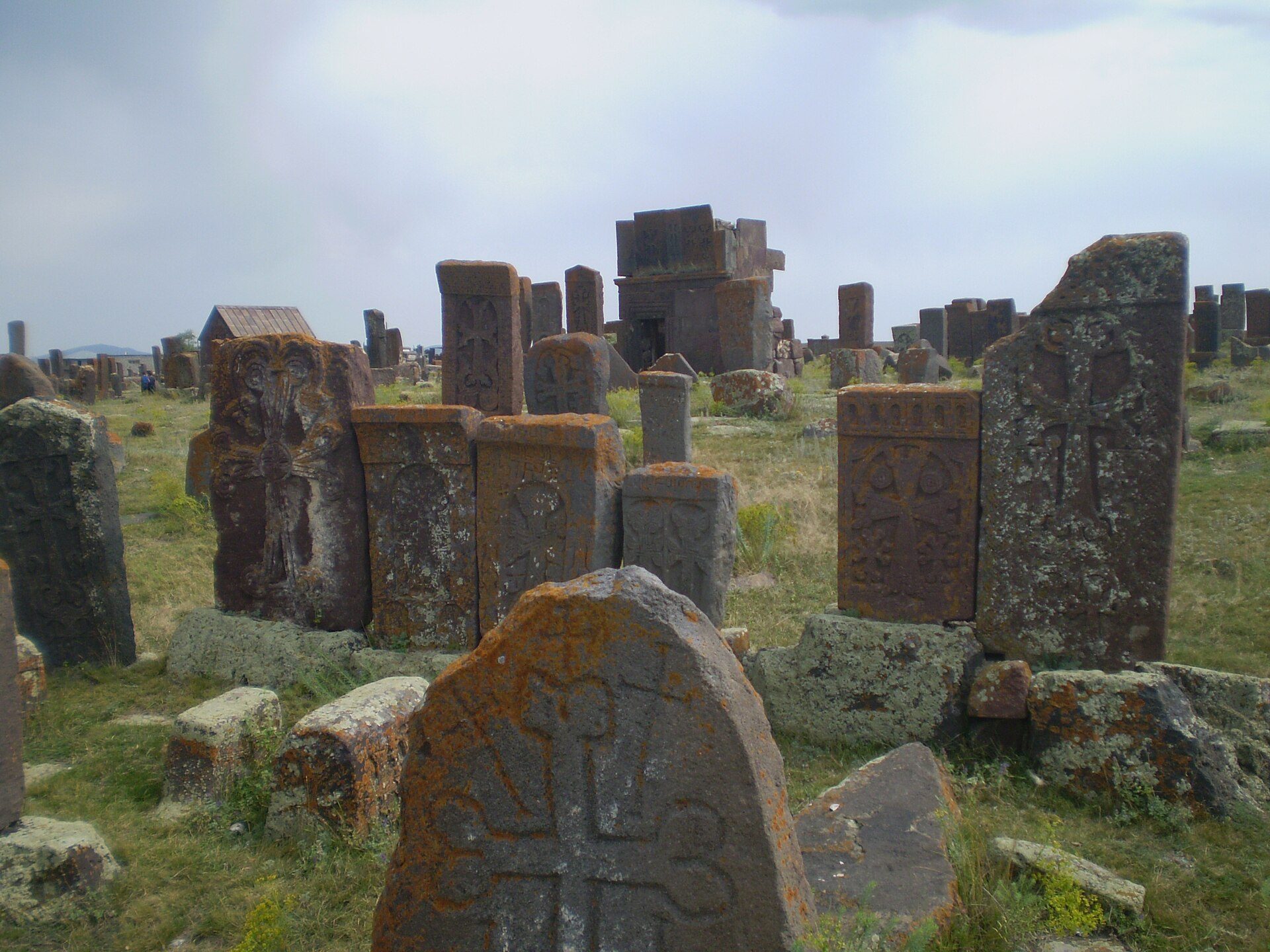
Photo: User:Eupator · CC BY-SA 3.0 · via Wikimedia Commons
Some of Armenia’s greatest treasures cannot be locked in a museum: a haunting melody, the smell of bread from a clay oven, a carved cross that has stood for eight centuries. UNESCO recognises these living traditions on its Representative List of the Intangible Cultural Heritage of Humanity. According to the official UNESCO record for Armenia, the country has eight inscribed elements, more than almost any of its neighbours. Here they are, in the order UNESCO added them.
Duduk and its music (2008)
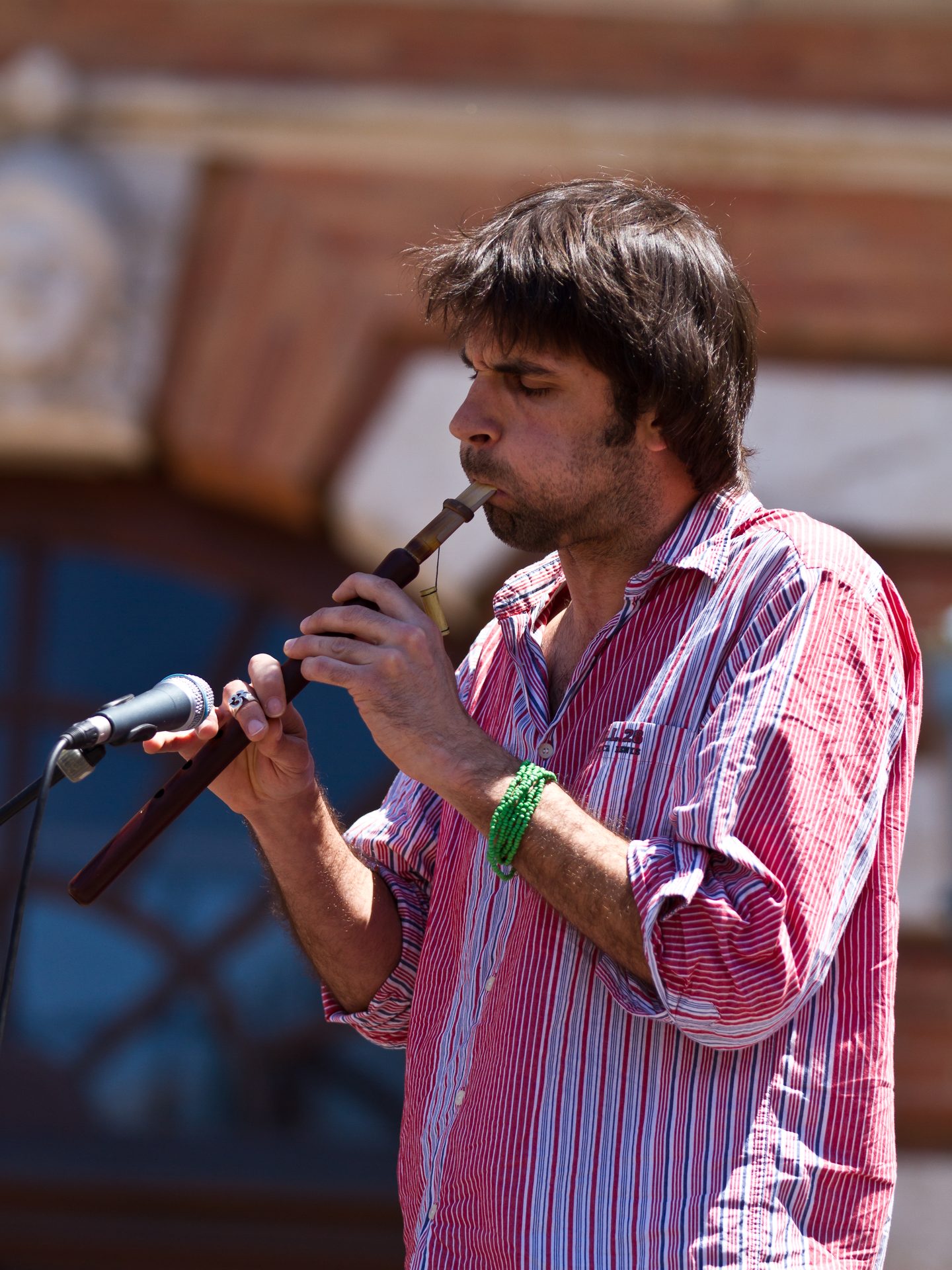
The duduk, a double-reed woodwind carved from apricot wood, is the soul of Armenian music, its warm, mournful voice instantly recognisable (you have heard it in film soundtracks such as Gladiator). It was Armenia’s first inscription. Read our full guide to the duduk.
Official reference: UNESCO, Duduk and its music.
Armenian cross-stones art: the khachkars (2010)
Khachkars are the intricately carved stone crosses that stand in cemeteries, courtyards and on hillsides across the country, no two alike. UNESCO recognised the symbolism and craftsmanship behind them; the field of thousands at Noratus, by Lake Sevan, is the most famous.
Official reference: UNESCO, Armenian cross-stones art. Symbolism and craftsmanship of Khachkars.
The epic of Daredevils of Sassoun (2012)
Also known as David of Sassoun, this sprawling oral epic, passed down by storytellers for a thousand years, tells of heroes defending their homeland. It is the great work of Armenian folk literature.
Official reference: UNESCO, Performance of the Armenian epic of Daredevils of Sassoun.
Lavash, the traditional bread (2014)
Lavash, the thin flatbread baked on the wall of a clay tonir, sits at the centre of every Armenian table and every celebration. UNESCO recognised its preparation, meaning and appearance as an expression of culture. Watch it made, and eat it warm, on any of our tours; read more in our guide to lavash.
Official reference: UNESCO, Lavash, the preparation, meaning and appearance of traditional bread in Armenia.
Kochari, traditional group dance (2017)
Kochari is a lively circle dance performed shoulder to shoulder at weddings and festivals across Armenia, uniting whole villages in the same steps.
Official reference: UNESCO, Kochari, traditional group dance.
Armenian letter art and its cultural expressions (2019)
The Armenian alphabet, created by Mesrop Mashtots in 405 AD, is a national symbol in its own right. UNESCO recognised the art of the letters, the ornamental scripts and the crafts, embroidery, carving, jewellery, that turn them into decoration.
Official reference: UNESCO, Armenian letter art and its cultural expressions.
Pilgrimage to the St. Thaddeus Apostle Monastery (2020)
A living pilgrimage tradition, shared with neighbouring communities, centred on one of the oldest churches in the region and the memory of the Apostle Thaddeus.
Official reference: UNESCO, Pilgrimage to the St. Thaddeus Apostle Monastery.
The tradition of blacksmithing in Gyumri (2023)
Armenia’s most recent inscription honours the metalworking craft of Gyumri, the characterful second city of the north-west, where the ring of the hammer has echoed for generations.
Official reference: UNESCO, Tradition of blacksmithing in Gyumri.
Experience it for yourself
The best way to understand this heritage is to live it, a duduk concert, lavash baked in front of you, a khachkar field at sunset. See how these fit alongside Armenia’s three World Heritage Sites, then build your own itinerary or book an all-inclusive tour that brings the country’s culture to life.