The Duduk: Armenia's Soulful Instrument
Recognised by UNESCO, the duduk is the haunting voice of Armenian music. Discover what it is, how it's played, and why it stirs the Armenian soul.
Proclaimed a UNESCO masterpiece in 2005 and inscribed on its Representative List of the Intangible Cultural Heritage of Humanity in 2008, the duduk is one of the most beloved instruments in Armenia. This double-reed woodwind is a symbol of Armenian music and the wider national culture, and its history reaches deep into antiquity, some of the oldest surviving examples, dated to 3,500–4,000 years ago, were found in Egypt. Here is everything you should know about this remarkable instrument.
What is the duduk?
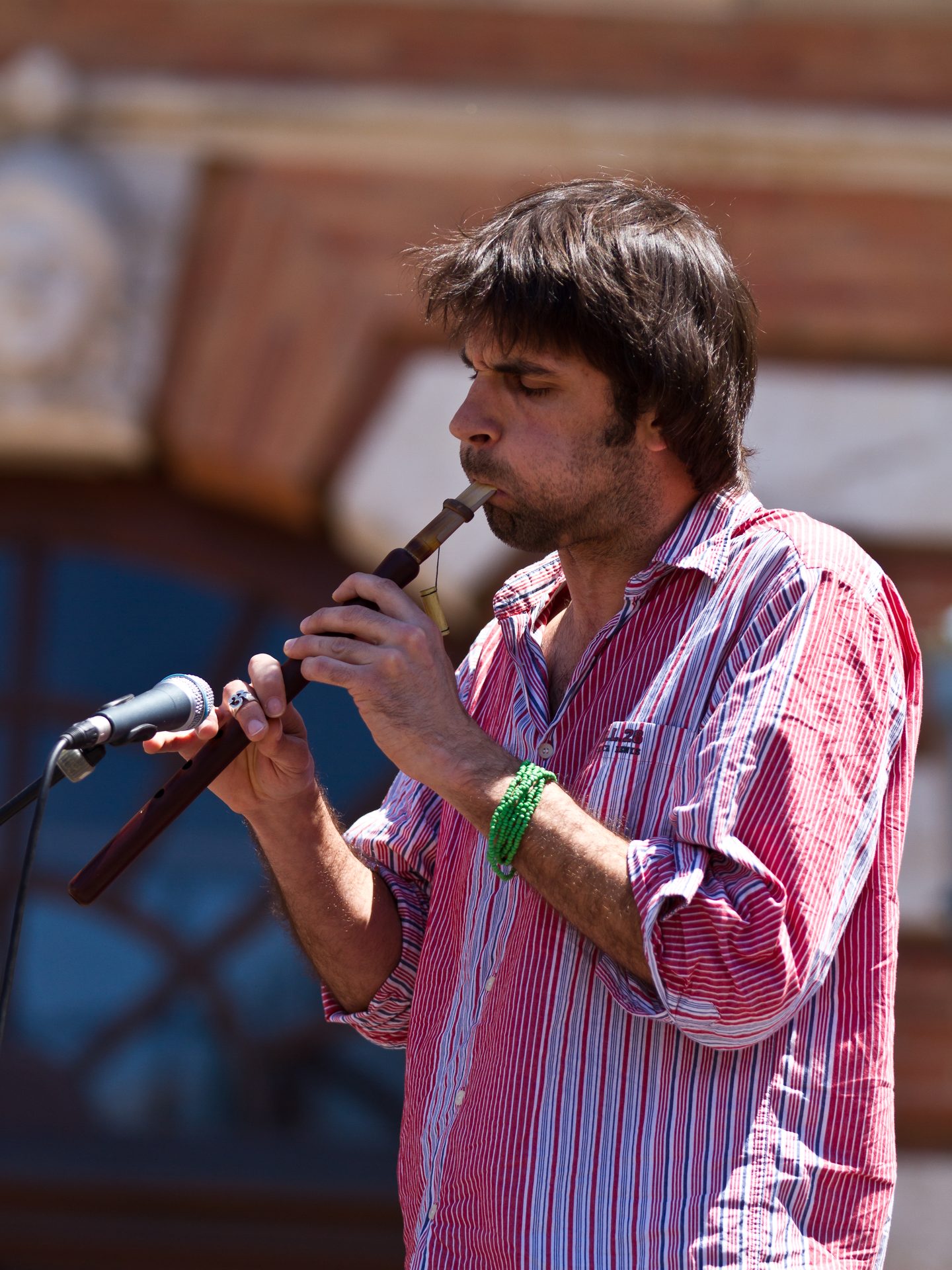
Put simply, the duduk is a cylindrical instrument about 30.5 cm long, pierced with eight finger holes plus one underneath, resembling a flute. Longer, ten-hole models also exist today. It is traditionally carved from apricot or pear wood, and for many Armenians, the apricot-wood duduk carries the very soul of the people.
Its reed, known as the ghamish, is made from a single piece of cane, flattened, split and bound where it joins the body of the instrument.
The best-known voice of Armenian music
Alongside the oud, the duduk is the most recognisable instrument in Armenian folk music. It has a distinctly melancholic tone, most often heard at funerals, though musicians also play it at festivals and dances.
Variations of the instrument appear across the Balkans, the Middle East and Central Asia, but it is above all Armenian, considered a national symbol as cherished as the hand-woven Armenian carpet. It even reached Hollywood: the duduk features in the soundtrack of Gladiator (2000), performed by Jivan Gasparyan, the world’s most famous Armenian duduk virtuoso.
How is the duduk played?
The duduk is often played as a duo: one musician holds a steady drone note underneath while the second plays the melody. To sustain that continuous note without a break, the player uses a special circular-breathing technique. A regulating ring around the reed helps stabilise the sound.
The instrument has a soft, low voice that can turn nasal and metallic when blown harder. It recalls the cor anglais or the low register of the clarinet, deep and warm, yet infinitely more velvety.
Learning the basics
Tempted to learn? The best way in is a lesson with a professional, who will teach you how to find the sound, the basic fingerings and simple melodies. Better still, hear the instrument live on a trip, many of Yerevan’s bars and jazz clubs feature it. You’ll want your own duduk to practise at home, and if you order one online, stick to a well-known, reputable seller. Scams are common, so do your research before reaching for your card.
Plan your visit
Ready to hear the duduk where it was born? Build your itinerary around Armenia’s cultural highlights or book an all-inclusive tour that brings its music, food and monasteries to life, and read on about Armenian art, music and literature before you go.