UNESCO World Heritage Sites in Armenia: The Official Guide
UNESCO World Heritage Sites in Armenia: Haghpat and Sanahin, Echmiadzin and Zvartnots, and Geghard, with how to visit all three.
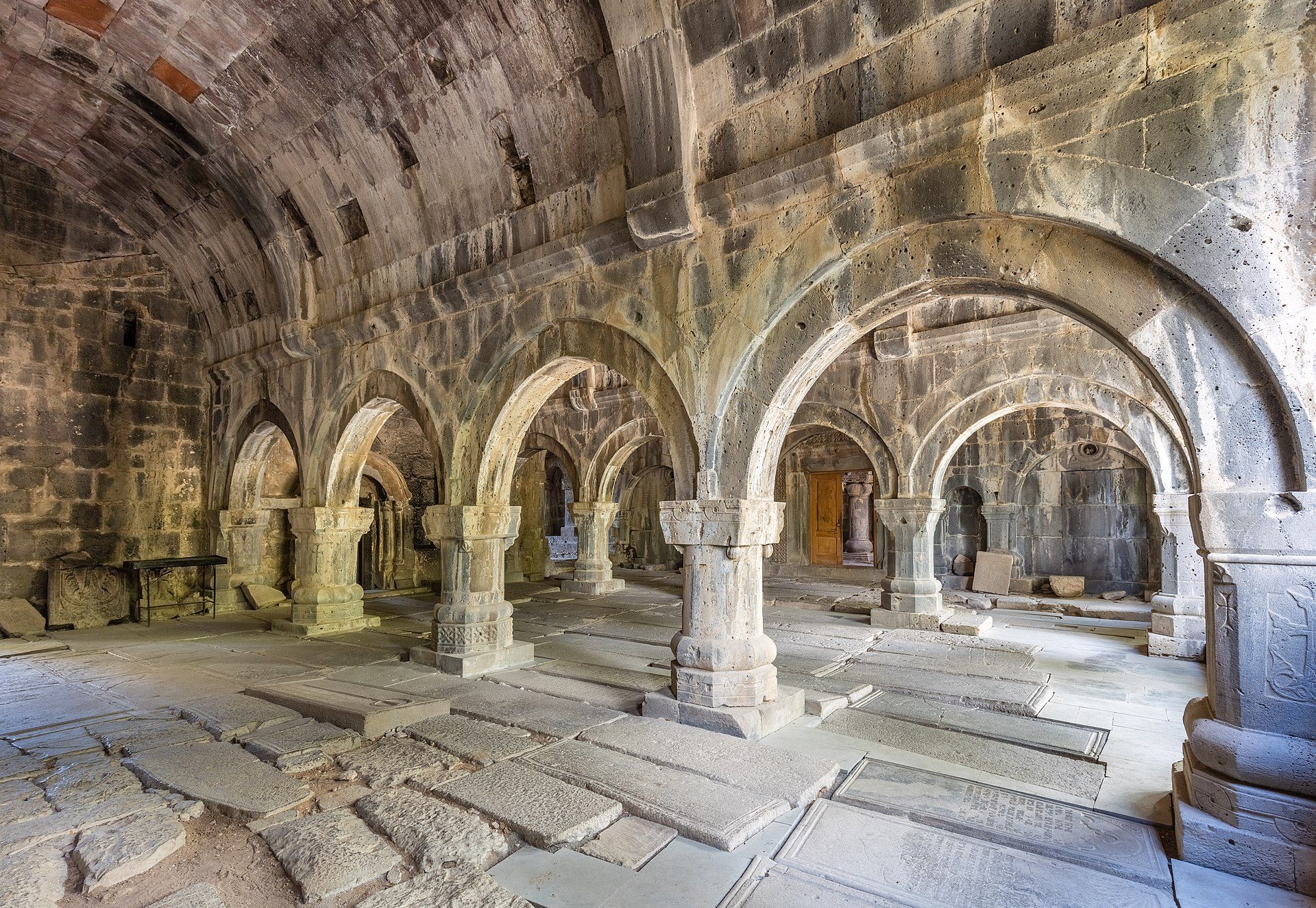
Photo: Diego Delso · CC BY-SA 4.0 · via Wikimedia Commons
Armenia was the first country in the world to adopt Christianity as its state religion, and 1,700 years of faith have left it covered in monasteries. Three of them are so significant that they carry the highest possible international recognition: inscription on the UNESCO World Heritage List. According to the official UNESCO World Heritage Centre record for Armenia, the country has three inscribed cultural sites, all masterpieces of medieval Armenian architecture. Here is what they are, why UNESCO recognised them, and how to see them.
1. Monasteries of Haghpat and Sanahin
Inscribed in 1996 and extended in 2000, these two monasteries in the northern Lori region date from the prosperity of the Kiurikian dynasty (10th to 13th century). UNESCO describes them as important centres of learning that represent “the highest flowering of Armenian religious architecture”, a style born from blending Byzantine ecclesiastical architecture with the vernacular building tradition of the Caucasus.
Set among green gorges in the north-east of Armenia, Haghpat and Sanahin sit just a few kilometres apart and are usually visited together, often on the way to or from Georgia.
Official reference: UNESCO World Heritage Centre, Monasteries of Haghpat and Sanahin (ref. 777).
2. Cathedral and Churches of Echmiadzin and the Archaeological Site of Zvartnots
Inscribed in 2000, this site is the spiritual heart of the Armenian Apostolic Church. The Mother Cathedral of Echmiadzin, founded in the early 4th century right after Armenia’s conversion, is by tradition one of the oldest cathedrals in the world. The inscription also covers the elegant early-medieval churches of St Hripsime and St Gayane, and the dramatic 7th-century circular ruins of Zvartnots.
You can visit all of this in an easy half-day from the capital, see our full guide to Echmiadzin.
Official reference: UNESCO World Heritage Centre, Cathedral and Churches of Echmiadzin and the Archaeological Site of Zvartnots (ref. 1011).
3. Monastery of Geghard and the Upper Azat Valley
Inscribed in 2000, Geghard is perhaps the most atmospheric of the three: a complex of churches and tombs, many of them cut directly into the living rock of the Azat gorge. UNESCO recognises it as an illustration of “Armenian medieval architecture at its highest point”, famous for its rock-hewn chambers and extraordinary acoustics.
It is an easy trip east of the capital, almost always combined with the Garni temple, read our dedicated guide to Geghard Monastery.
Official reference: UNESCO World Heritage Centre, Monastery of Geghard and the Upper Azat Valley (ref. 960).
Still on the waiting list
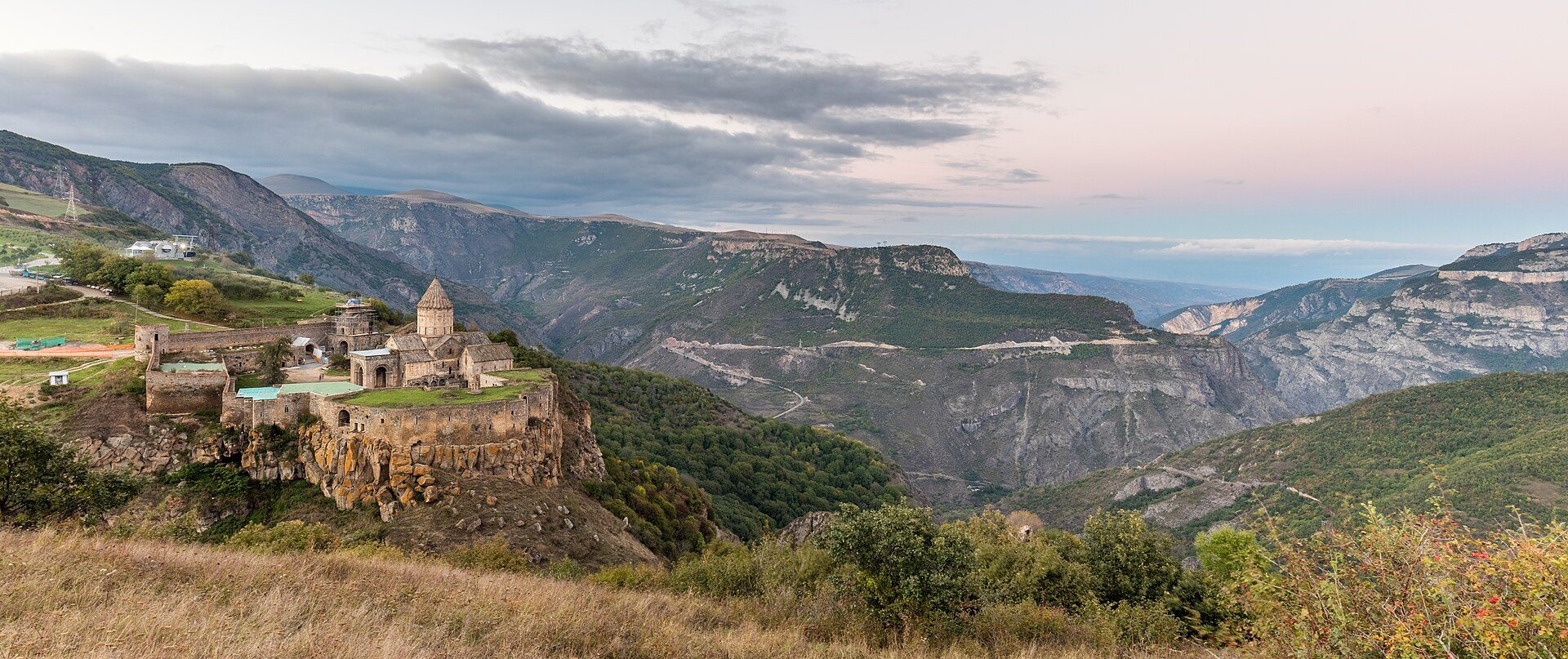
Armenia has also nominated several more places for future inscription. Its official UNESCO Tentative List, published on the same World Heritage Centre page, includes candidates such as the monasteries of Tatev and Noravank, the basilica of Yereruyk and the archaeological site of Dvin, a reminder of just how much heritage this small country holds.
Beyond the buildings
Armenia’s official heritage is not only in stone. The country also has eight traditions on UNESCO’s list of the Intangible Cultural Heritage of Humanity, from the duduk to lavash bread, we cover them in our guide to Armenia’s UNESCO intangible heritage.
Plan your visit
Want to see all three World Heritage Sites with someone who can explain them? Build your own itinerary around them or book an all-inclusive tour with a licensed local guide, and read on about the best things to do in Armenia.