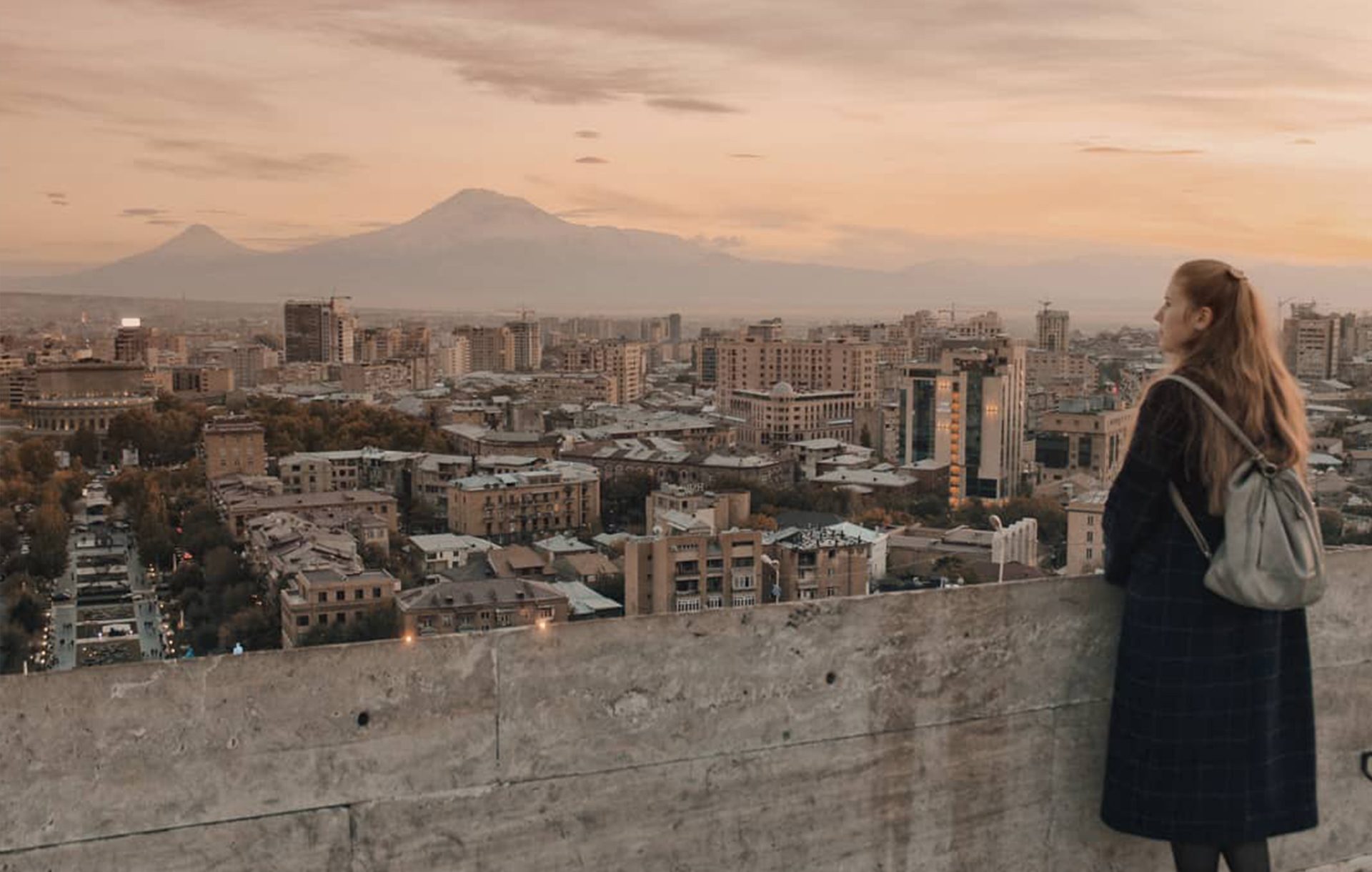
North-West Armenia: Monasteries and Wild Lake Arpi
Discover north-west Armenia: the restored monasteries of Harichavank and Marmashen, and Lake Arpi National Park with its exceptional birdlife and rare wildlife.
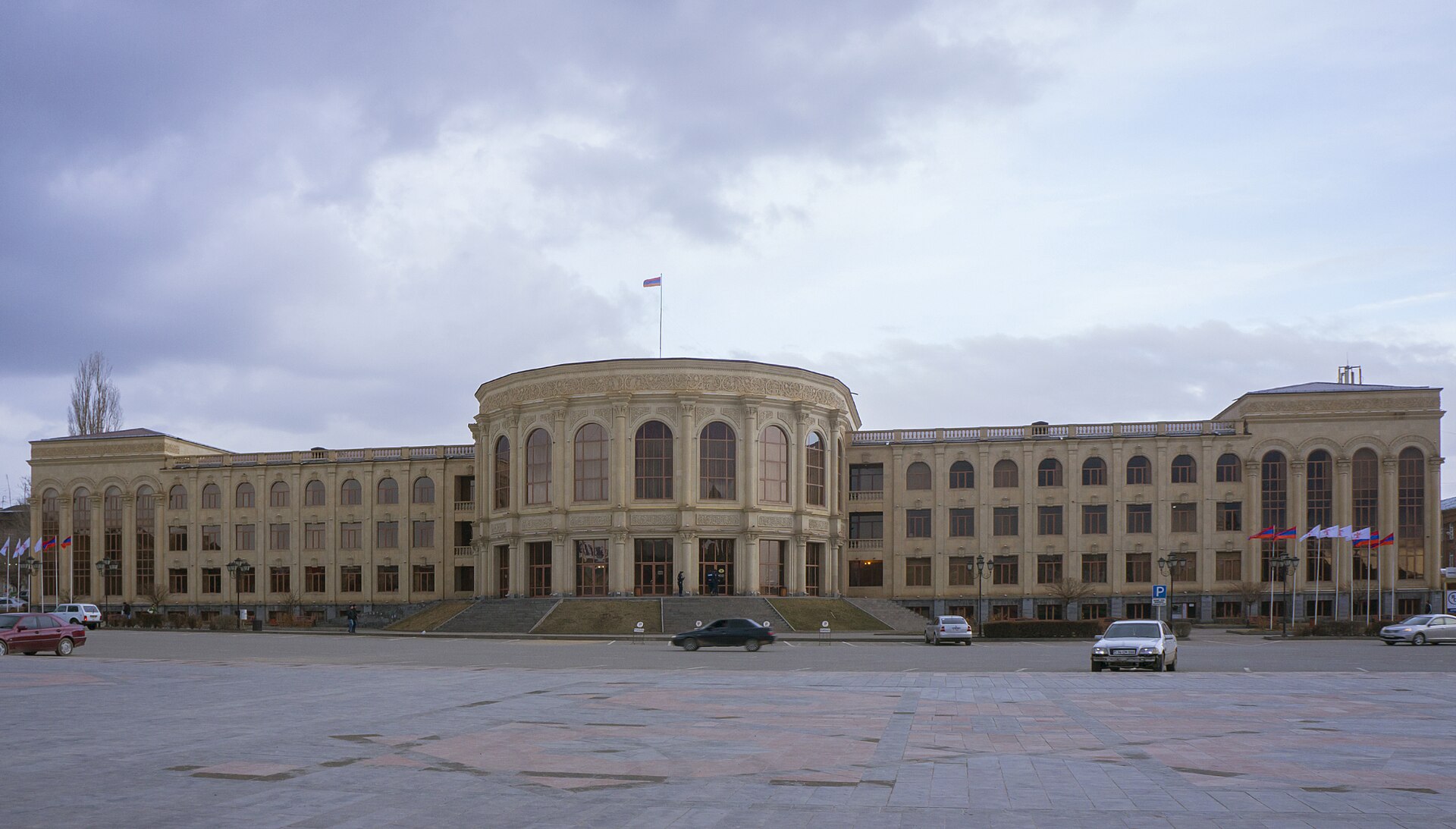
Photo: Armenak Margarian · CC BY-SA 4.0 · via Wikimedia Commons
North-west Armenia allows visitors to discover an extraordinary architectural heritage, home to many monasteries, set in magnificent landscapes that are wild in places. Lake Arpi, in the far north-west of the country, is home to an absolutely exceptional flora and fauna.
Armenia is an incredibly attractive country for tourists, who can wander through admirable nature, discover jewels of architecture and history, all while enjoying a warm welcome and mouth-watering Armenian cuisine.
The Monastery of Harichavank
The great monastic complex of Harichavank, which has survived through the ages, was recently renovated. It lies in the Shirak region, in the village of Harich. The village itself is one of the oldest in the region. It is home to a fortress built in the 4th century BC.
The fortified enclosure, overlooking a river, houses a small chapel on a finger-shaped rock that rises above the water. It was separated from the monastery by an earthquake and it is now impossible to reach, except for a seasoned mountaineer!
Inside, there are tiny stairwells hidden in the shadows, leading to small prayer rooms. The ceilings have various patterns built into the stone.
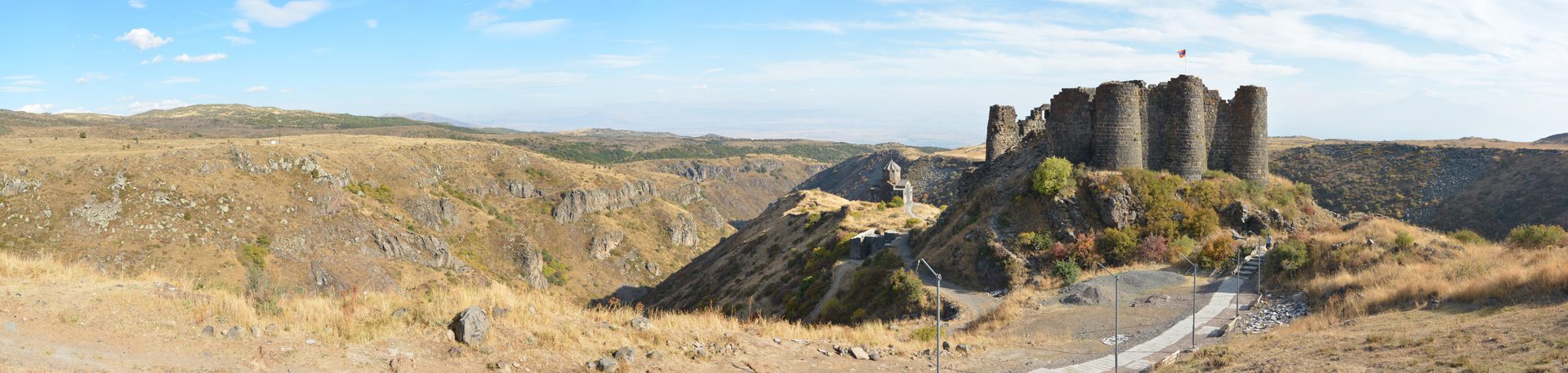
Photo: Thomas Wozniak · CC BY-SA 4.0 · via Wikimedia Commons.
The Monastery of Harichavank was built in the 12th century near the cliff, on the site of an older temple. The brothers Ivane and Zakare of the Zakaryan family bought the village from the Pahlavuni and built a monastic complex. One of the brothers is depicted on the east wall of the monastery.
The entrance consists of two arcades. Within the modern monastic ensemble, there are two 12th-century churches of Saint Astvatsatsin, the 13th-century temple of Saint Gregory, a porch, a school, a chapel, a bell tower and a farm building.
The main temple is built from different colours arranged in a chequerboard pattern that forms an exceptional and unique decoration on the walls. These are adorned with ornaments. In the 19th century, the complex was rebuilt and several buildings were added. There was a time when the monastic complex was a centre of writing, and also the scientific centre that included a school. Later, Harichavank became the summer residence of the Catholicos, the head of the Armenian Church.
Owing to its position at 2,000 metres of altitude, summers here are cool, whereas in the Ararat valley the heat is unbearable. Near the cliff there is a small chapel that, in strong winds, seems close to collapse.
The Monastery of Marmashen
Located 10 kilometres from Gyumri, in the village of Marmashen, stands the monastery of the same name, built between the 10th and 13th centuries. This exceptional cultural and religious centre of medieval Armenia is one of the most original places of worship on Armenian soil.
The set of churches at Marmashen monastery is made up of three buildings. The most important temple stands at the centre. The temple’s domed hall was built in red brick by Prince Vahram Pahlavuni. The cross-shaped façade is adorned with vaulted niches and small narrow windows. The dome rests on a faceted structure.
Some buildings have withstood the test of time, others have been painstakingly restored by a joint Italian-Soviet team, and some buildings have left behind only their foundations, which recall their past presence.
The site lies on the bank of a river, and many Armenians come here to have barbecues (khorovats), especially at the weekend. The pink stones contrast with the green of spring and the brown grass of late summer and autumn.
Lake Arpi National Park
Lake Arpi National Park was created with the aim of protecting the region’s unique biodiversity and ensuring the sustainable development of local communities. Protecting the unique biodiversity of the Javakhk-Shirak plateau and the Lake Arpi basin depends on safeguarding the nesting and resting areas of migratory birds.
You can observe the birds and butterflies, take part in botanical excursions, go horse riding, mountain biking, cross-country skiing, camping and hiking.
Lake Arpi is the second largest lake in Armenia, after Lake Sevan, and lies on the border with Georgia and Turkey. The lake’s water surface covers more than 3,000 hectares and it sits at 2,020 m of altitude.
The area around the lake is made up of mountain steppes, subalpine and alpine meadows, as well as lakes, rivers and other wetlands. The Akhuryan river is home to a natural aspen grove. The rocky outcrops are found mainly on the slopes of the mountain ridges, which in places form vast areas of scree. The gorges of the Akhuryan river have shaped a deep rocky canyon.
The region’s population lives essentially from farming and livestock rearing.
The flora of the park and the Akhuryan river
There are around seven hundred species of plants growing in the national park, eighteen of which are rare and/or endemic and appear on Armenia’s red list.
In focus
The IUCN Red List, of the International Union for Conservation of Nature, records the world’s most comprehensive inventory of the global conservation status of plant and animal species. It assesses the extinction risk of thousands of species and subspecies in every part of the world.
The park’s wildlife
Sixty-two animal species coexist in the park. Here you will find one of the world’s largest colonies of Armenian gulls, the only nesting site of the Dalmatian pelican in Armenia and the main global habitat of Darevsky’s viper.
The mammals of the national park include thirty-eight species: seven species of insectivores, eight species of bats, eleven species of rodents, one species of lagomorph, nine species of carnivores and two species of even-toed ungulates.
Among them, several species are Caucasian endemics: the Caucasian shrew, Nehring’s blind mole-rat, Brandt’s hamster, and the pine vole of Nazarov and Daghestan.
The park is home to the marbled polecat, the Eurasian otter and the Siberian flying squirrel, all globally threatened. They are all listed on the IUCN Red List of threatened species.
Nearly two hundred species of birds have been recorded in the national park. Despite the harsh winter cold and the extent of the snow cover in the region, around seventy species of birds spend the winter in the park.
Forty-four of the park’s bird species are listed on the IUCN Red List of threatened species. Among them are the globally threatened Dalmatian pelican, the Egyptian vulture and the pallid harrier, the golden eagle, the red-footed falcon, the saker falcon, the great snipe and the collared pratincole.
Eight species of fish are present in Lake Arpi, the Akhuryan river, its tributaries and other rivers in the park. Among them are the European minnow, the tench, the loach and the common carp.
The park’s herpetofauna is also very diverse and includes six species of snakes, four species of lizards, two species of frogs and one species of toad.
The park’s two vipers, Darevsky’s viper and the Armenian steppe viper, are listed on the IUCN Red List of threatened species, and the former is critically endangered.
Plan your visit
The wild north-west, with its restored monasteries and birdlife-rich Lake Arpi, is a genuine escape from the crowds. Build your own itinerary or book an all-inclusive tour with us, and combine it with the neighbouring north-east and its UNESCO monasteries.