Gyumri: Armenia's Second City — What to See & How to Get There (2026)
Gyumri travel guide: the Kumayri old town, churches and museums, the 1988 earthquake story, where to eat, and how to get there from Yerevan.
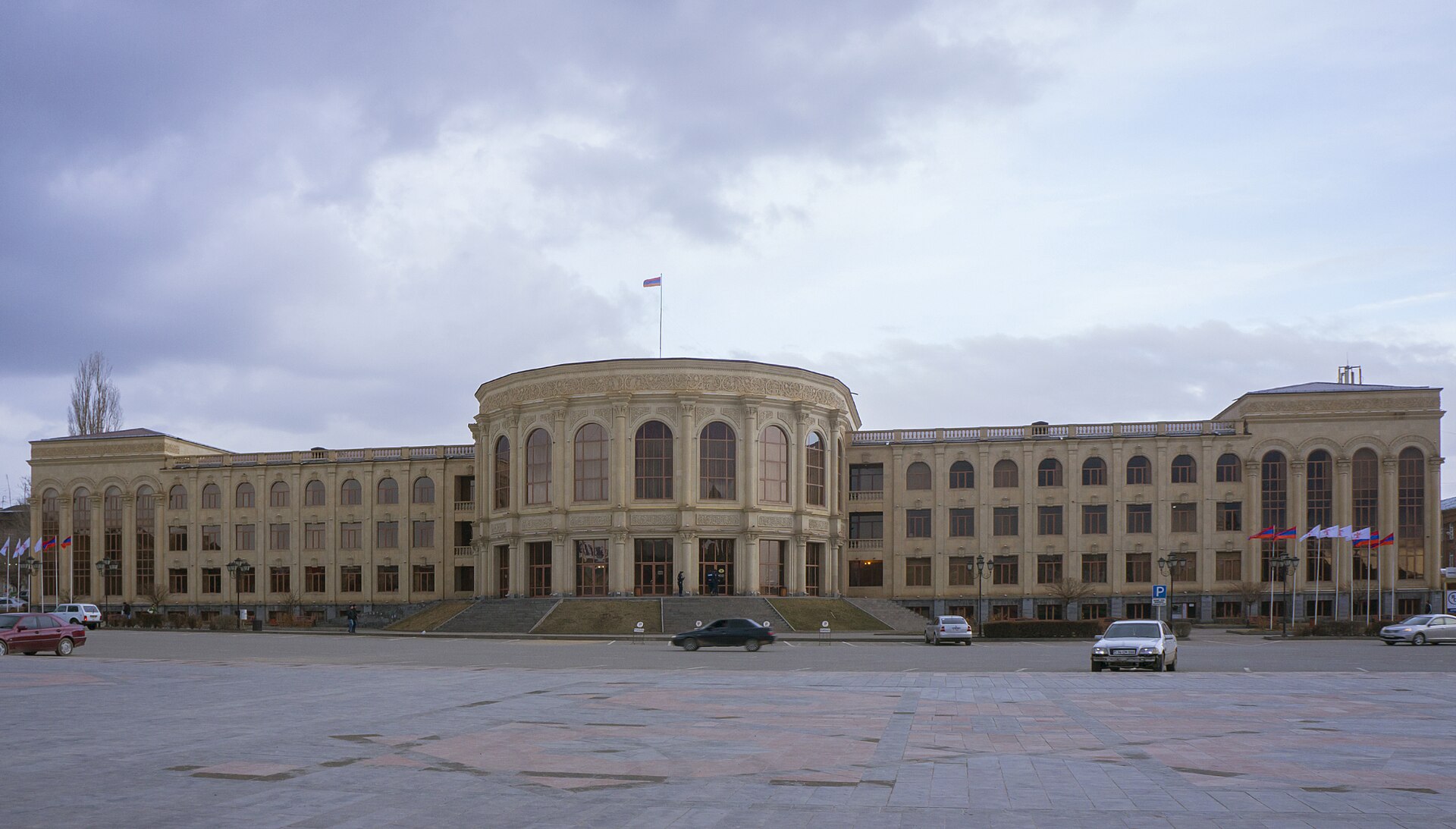
Photo: Armenak Margarian · CC BY-SA 4.0 · via Wikimedia Commons
Yerevan is the capital, but ask Armenians where the country’s humour, craftsmen and best bread come from and many will say Gyumri. Armenia’s second city sits on a high plain 120 km north-west of Yerevan, and it feels different: slower, saltier, built of dark tuff instead of pink. It has carried a lot — an empire’s garrison, a Soviet name, a catastrophic earthquake — and it wears all of it openly.
A short history
Gyumri grew up in the 19th century as Alexandropol, a fortress town on the Russian Empire’s frontier, and for a while it was bigger and richer than Yerevan. The Soviets renamed it Leninakan and industrialised it. Then, on 7 December 1988, the Spitak earthquake destroyed much of the city and killed tens of thousands across the region. Recovery took decades and is still visible — and so is the resilience. Gyumri rebuilt around its old heart rather than over it, which is exactly why it’s worth your time. For the wider context, read our history of modern Armenia.
What to see
- The Kumayri historic district. Whole streets of 19th-century merchant houses in black and red tuff, with carved doorways and iron balconies. This is the largest surviving old town in Armenia — Yerevan has nothing like it.
- Vardanants Square. The city’s stage, framed by the rebuilt All Saviour’s Church and the black-and-orange Yot Verk (Seven Wounds) Church, Gyumri’s main shrine.
- The Dzitoghtsyan Museum. A grand 1872 mansion housing the Museum of National Architecture and Urban Life — the best single stop for understanding Alexandropol’s golden age.
- The Black Fortress (Sev Berd). A round Russian fortress of 1834 on the edge of town, with the giant Mother Armenia statue nearby and wide views back over the city.
- The craftsmen. Gyumri’s blacksmithing tradition entered the UNESCO intangible heritage list — see our guide to Armenia’s UNESCO living heritage. Workshops still hammer away in the old town.
Eat like a local
Gyumri takes food personally. Try the local ponchik (a hot custard-filled doughnut — the queue tells you where), Gyumri beer, and the bakeries of the old town. Then compare notes with our guide to eating in Armenia.
How to get to Gyumri from Yerevan
- By train. The most atmospheric option: several trains a day from Yerevan’s railway station, around 2 to 3 hours depending on the service, for a few thousand drams.
- By marshrutka or car. Minibuses leave regularly; by car it’s about 2 hours on the M1. Details in getting around Armenia.
- On a tour. We include Gyumri in tailor-made northern routes, often with the monasteries of Marmashen (10 km away) and Harichavank — see the north-west Armenia guide.
Practical tips
- How long: a full day works; an overnight lets you catch the old town in evening light.
- Best time: May to October. Winters are long and genuinely cold — Gyumri sits at 1,550 m.
- Combine with: Marmashen monastery, the Arpi Lake national park, or the road east to Dilijan.
Plan your visit
Want the north-west without the logistics? Build your own itinerary around Gyumri or book an all-inclusive tour with a driver-guide who knows where the best ponchik is.