Geography of Armenia: Land, Climate & Tourism
Discover the geography of Armenia: its mountains, climate, Christian heritage, culture, language, cuisine, wildlife and the many kinds of tourism it offers.
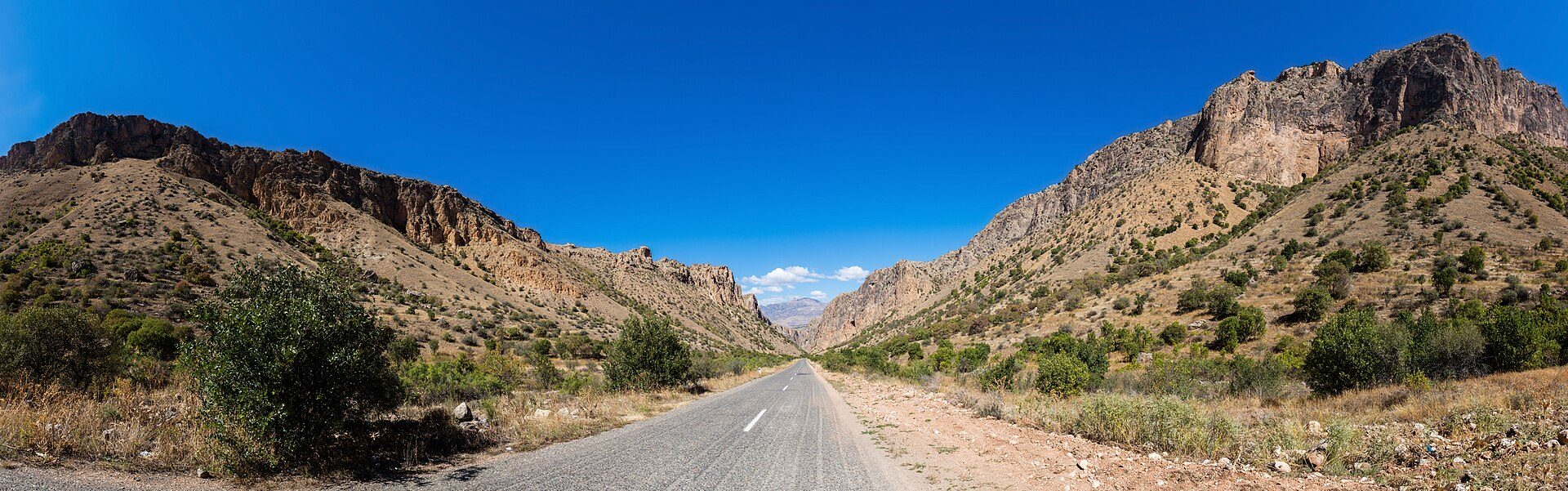
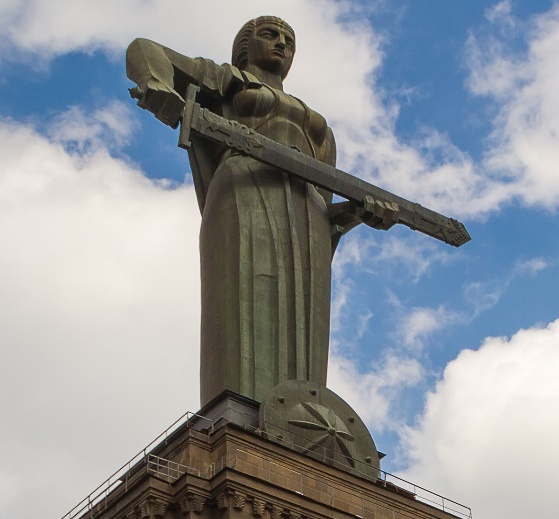
Photo: Diego Delso · CC BY-SA 4.0 · via Wikimedia Commons
Armenia is a tiny country of less than thirty thousand square kilometres, yet incredibly appealing for tourism. The country has one of the richest histories in the world, along with varied geography and a welcoming people. This Christian enclave on the Asian continent surprises visitors with its distinctly European culture and its gentle way of life.
The geography of Armenia
Armenia is a country in the southern Transcaucasus. It represents one of the world’s oldest civilisations, situated between two seas, the Black Sea and the Caspian Sea. Its capital is Yerevan.
Armenia shares borders with Georgia to the north, Iran to the south, Azerbaijan to the east and Turkey to the west. It is the smallest of all the former Soviet republics. Its present-day territory is only a fraction of ancient Armenia, which knew an eventful history.
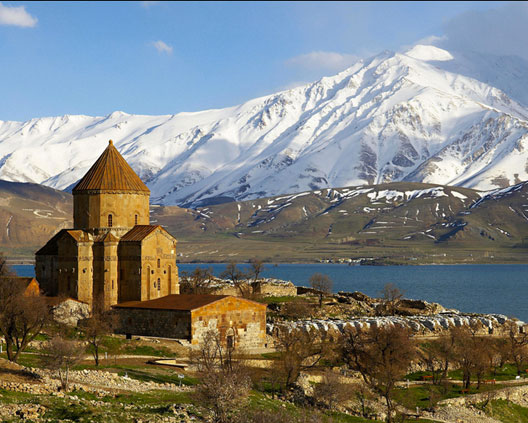
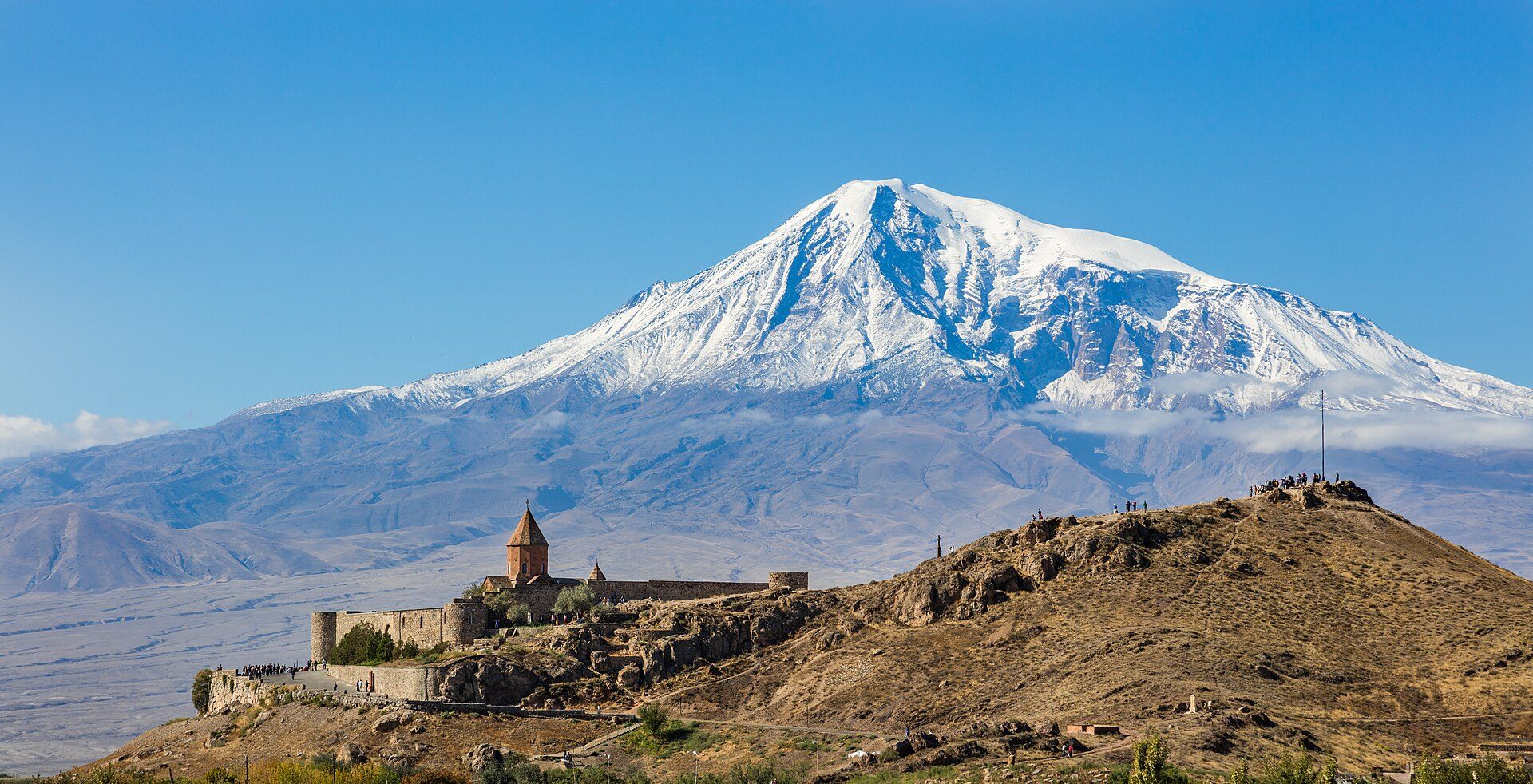
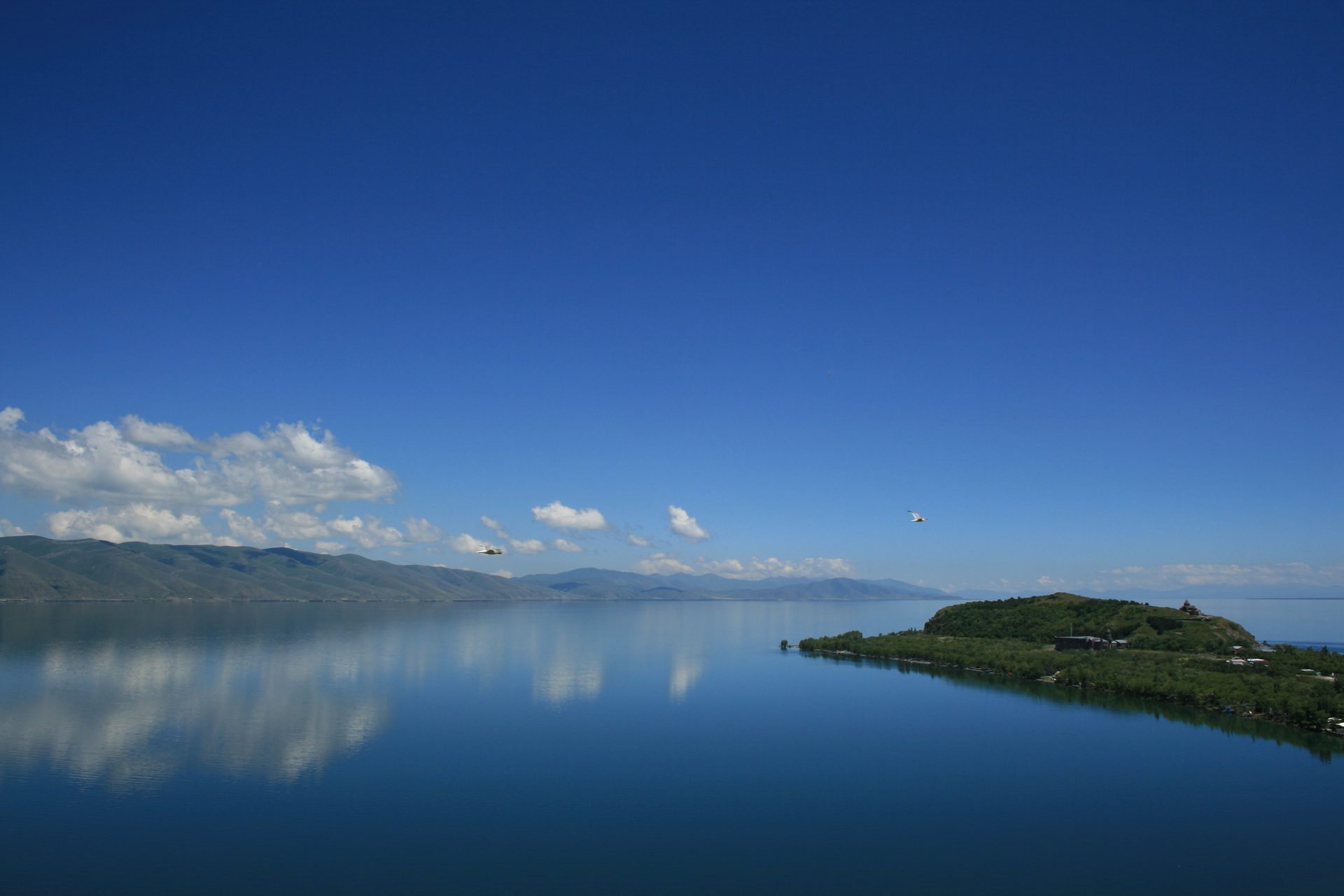
The country consists mainly of rugged mountains and extinct volcanoes. Armenia’s highest point is Mount Aragats, at an altitude of 4,090 metres. From these mountains, the rivers descend rapidly to form the valleys of the Aras and Debed rivers. Lake Sevan is the most popular and the largest in Armenia. This mountain lake lies 2,000 metres above sea level.
The Armenian climate
The Armenian climate is continental, fairly sunny, pleasant and warm in summer, and rather cold and snowy in winter. It is influenced by the country’s predominant altitude, mostly above 2,000 metres.
The four seasons are clearly marked. Summer is generally pleasant, with the temperature rising to 25°C. It can, however, climb as high as 40°C in the Ararat valley. Winters are cold and the temperature can drop to -5°C in Yerevan. The Ararat valley can be much colder still, falling to -30°C.
Rainfall varies from one region to another. The best time to visit Armenia is autumn and mid-spring.
A deeply Christian nation
Christianity has imbued the history and identity of the Armenians. With its evangelisation by the preacher Saint Gregory, known as the Illuminator (257–331), Armenia became the world’s first officially Christian state, under the impetus of the converted king Tiridates IV (298–330), and of Gregory, who became the first patriarch of the Armenian Church.
The country has remained Christian ever since, which earned it much persecution at the hands of Muslims from their invasion in 645 onwards, right up to the genocide carried out by the Turks between 1915 and 1916.
Although the diaspora has scattered around the world, the Christian identity has survived, and the Armenians who remained in the country never yielded to pressure.
Armenian culture and traditions
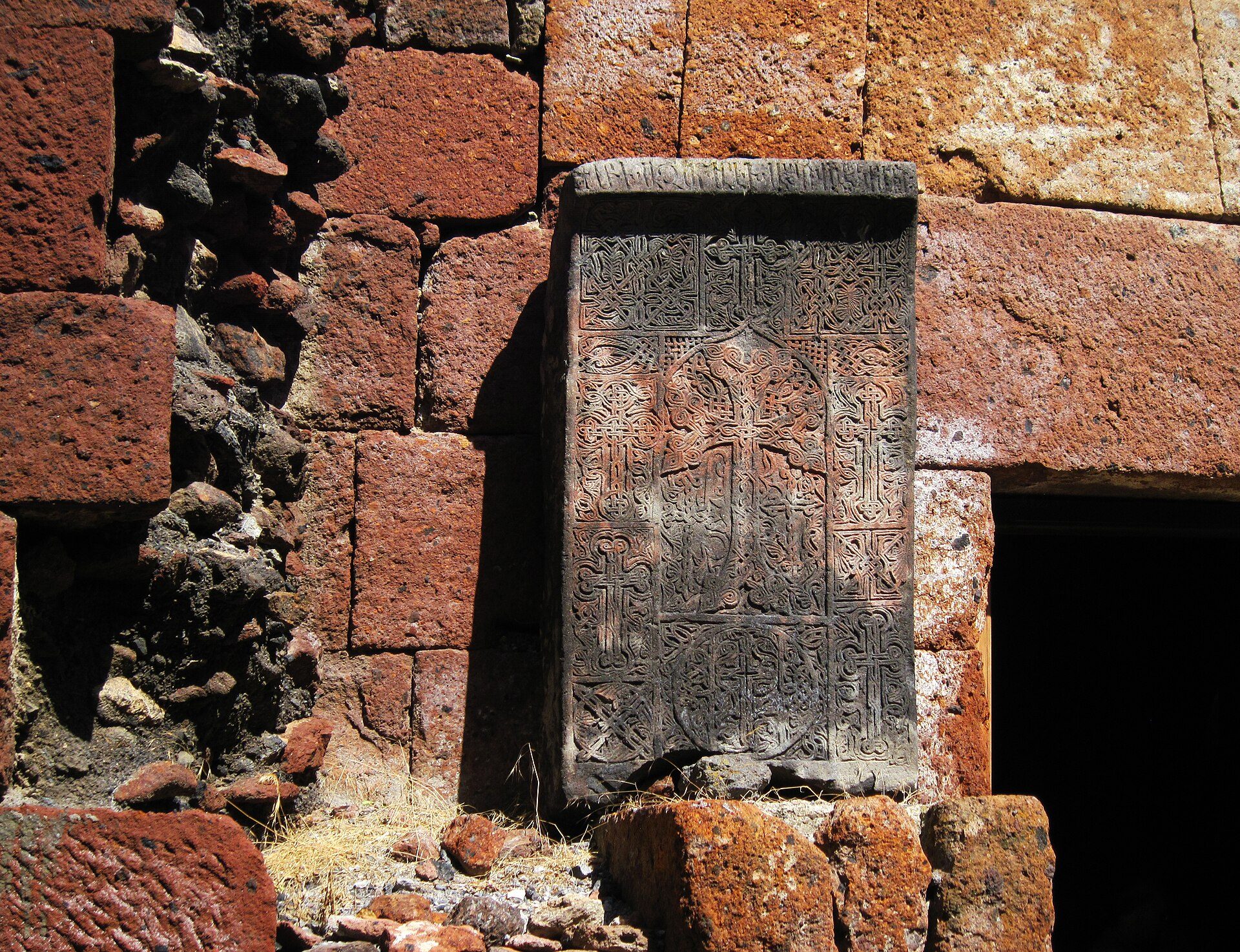
A long history has left Armenia an equally deep culture, with a very strong identity. Literature, architecture, music and dance aren’t museum pieces here — they’re part of everyday life.
If you want a taste of the richness of Armenian art, you must visit the National Gallery of Armenia in Yerevan, where you can admire more than 15,000 works dating from the Middle Ages, which bear witness to the richness of that era’s history.
Armenian traditions are fascinating, and Armenians warmly welcome tourists to share their treasures with them. Family and friendship both hold a fundamental place in Armenian tradition.
Art and craft are highly developed and very popular, notably carpet weaving and lace-making.
The languages of Armenia
Armenian is the country’s official language, and it dates back more than 5,000 years. A distinction is made between Eastern Armenian, the more common form, and Western Armenian, which is in decline.
Its alphabet was created in 405, allowing Armenian to become a written language known as Grabar. It is worth noting that the first text to be translated into Grabar was the Bible.
The Armenian alphabet was inspired by the Greek alphabet. It has thirty-eight characters and is described as bicameral, meaning it contains both lower-case and capital letters.
The Armenian language is said to be the direct descendant of the Aramaic language that Jesus spoke.
Many Armenians also speak Russian.
Food and cuisine in Armenia
Armenian cuisine is as ancient as the country’s history. It is closely linked to Eastern and Mediterranean cooking. Based on a profusion of highly varied ingredients, it gives rise to varied and unique dishes.
Armenian wine and brandy are renowned the world over.
The apricot is, along with the pomegranate, the national fruit of Armenia. It was already known as Prunus Armeniaca in Roman times, which literally means “Armenian plum”. The pomegranate is symbolically associated with fertility in Armenia.
Lavash, a traditional bread that expresses the culture of the land, holds a very important place in the country’s gastronomy. It has been added to UNESCO’s Representative List of the Intangible Cultural Heritage of Humanity.
The culinary arts also include an original soup known as khash. The dish was originally called khashoy, and was already mentioned by many medieval Armenian authors.
Wildlife and flora in Armenia
The flora is extremely rich and varied, spanning mountain steppes, meadows and verdant valleys, ancient oak forests, sub-alpine grasslands, and the vegetation around the lakes and rivers.
The wildlife consists mainly of wild boar, jackals, Syrian brown bears, lynx and ibex. A few rare Caucasian leopards remain. Armenia is also home to more than five hundred and thirty species of bird.
A few interesting facts about Armenia
-
Armenia’s population is around three million, while the diaspora numbers some ten million Armenians scattered across the world.
-
The genocide of the Armenians by the Turks is commemorated on 24 April each year.
-
Armenia has four neighbours, two of which are its enemies, Turkey and Azerbaijan, which maintain an economic blockade. It is at peace with Georgia and Iran.
-
Turkey refuses to recognise the genocide it perpetrated a little over a century ago, which further complicates relations between Yerevan and Ankara.
-
A Russian military base in Armenia’s second-largest city, Gyumri, provides anti-missile defence.
-
Chess is a compulsory subject in schools.
-
The world’s first church was built in Armenia.
-
Armenia is one of the few mono-ethnic countries in the world. 97% of the population living in Armenia are Armenian, and the small remaining percentage is made up of ethnic minorities such as Yazidis, Russians, Ukrainians and Kurds.
-
Armenia is home to the world’s longest non-stop double-track cable car. The cableway stretches a total length of 5,752 metres. It opened on 16 October 2010 and is listed in the book of records.
-
At the Yalta Conference in 1945, Winston Churchill was reportedly more than pleasantly surprised by the taste of the Armenian cognac offered by Stalin, and is said to have asked him to send 400 bottles a year!
Tourism
Armenia is considered one of the safest countries in the world for families and solo travellers alike. The crime rate is very low, which makes the country an ideal tourist destination. It is a free country where the streets are full of couples, families and countless tourists from all over the world, at any time of year.
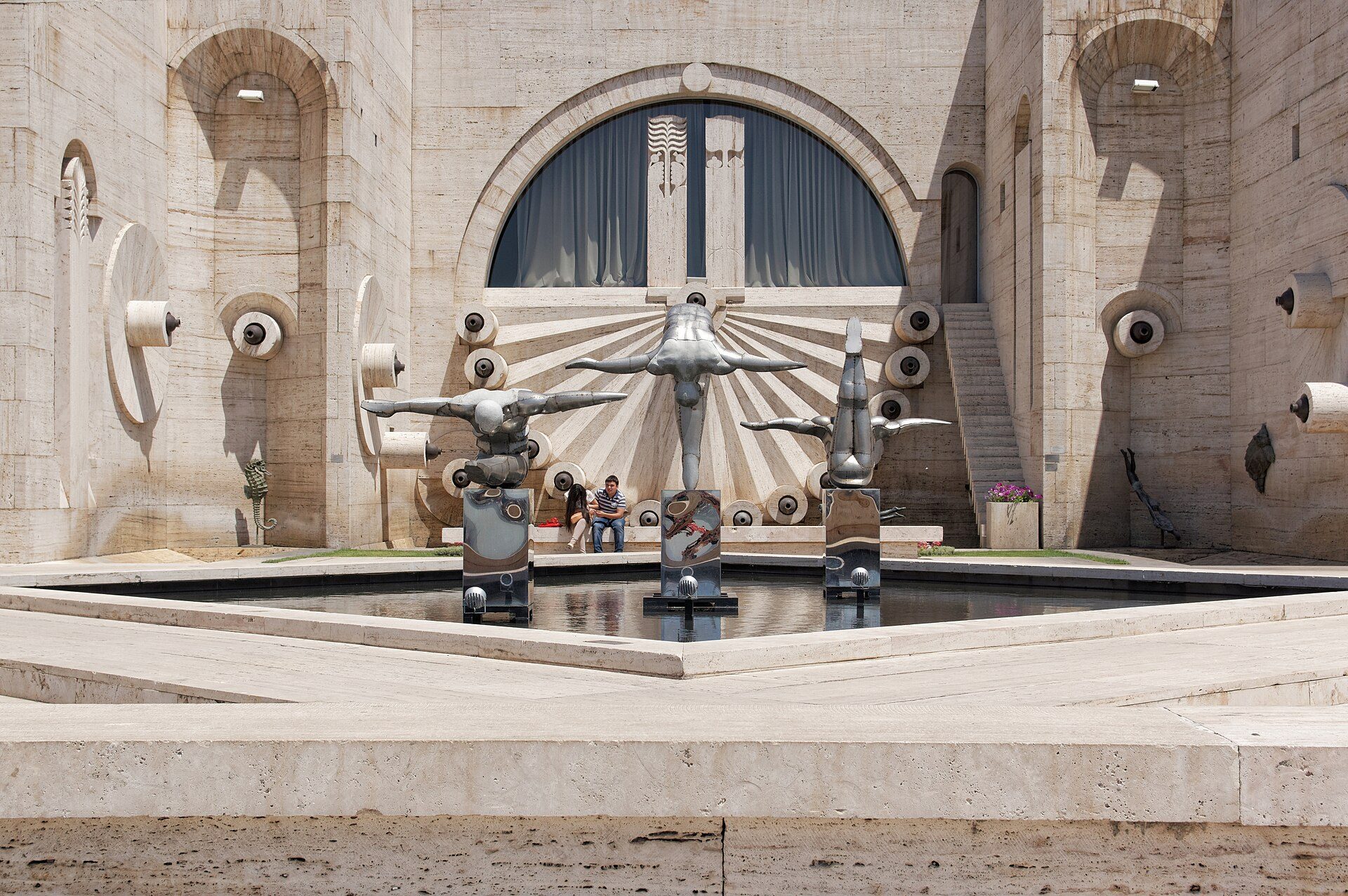
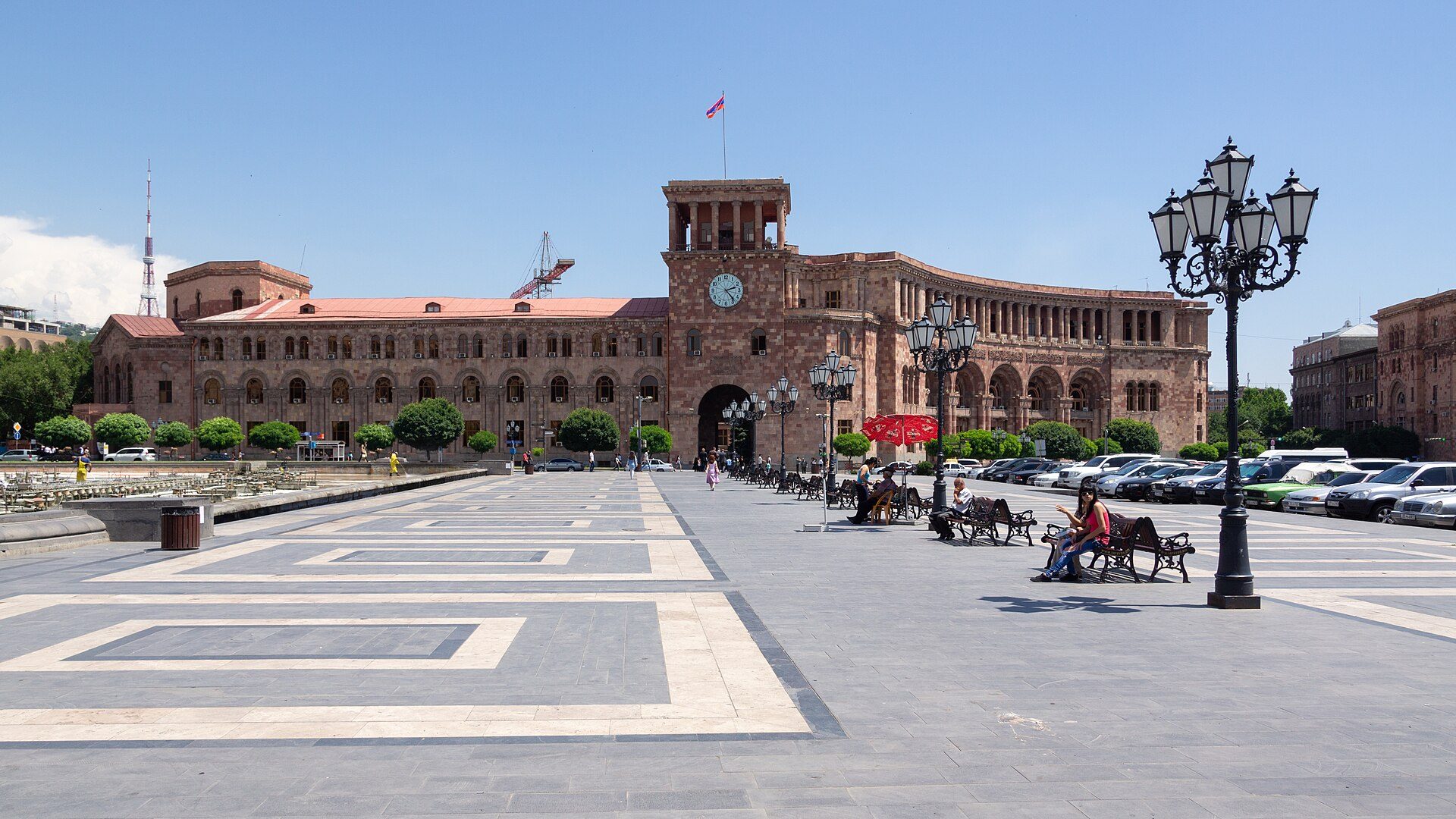
Yerevan is the capital of Armenia and one of the oldest cities in the world. Thanks to its rich historical and cultural heritage, the city has many monuments, museums and churches. It attracts crowds of visitors on account of its strong cultural, spiritual and scientific influence within the country.
Armenia offers accommodation of every kind, from top-rated hotels to mid-range hotels and simple hostels. You will always be given a warm welcome. Night owls will find plenty to enjoy after dark in the city, notably in Yerevan, where the nightlife is livelier than many expect.
Armenia offers every kind of tourism.
Historical and cultural tourism
Armenia has known many twists and turns in its history, and it has been attacked and invaded by different peoples. To protect themselves, many fortresses were built.
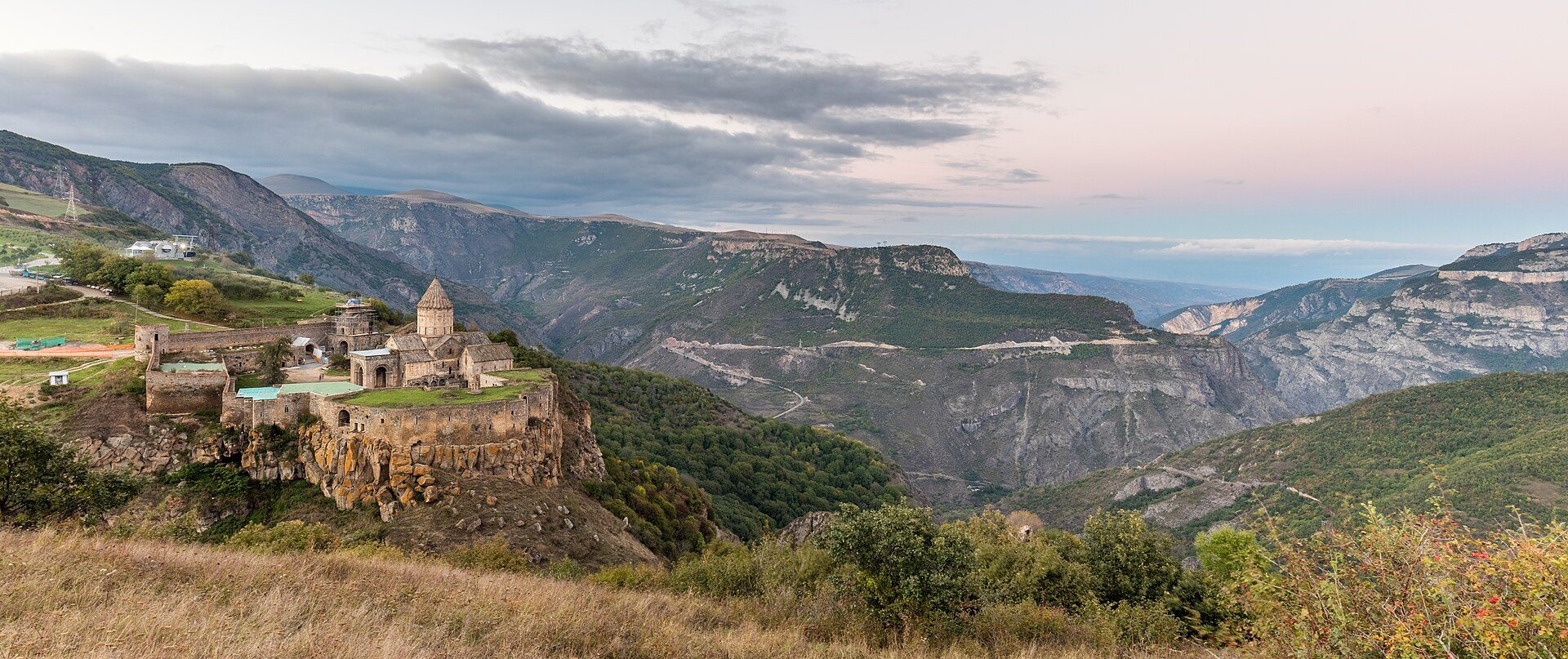
There are a great many historic buildings in Armenia. Most are inscribed on the UNESCO World Heritage List. Among its most famous cultural sites are the monastery of Tatev, Echmiadzin, Lake Sevan, Jermuk, the Selim Pass, Karahunj and more.
Cultural tourism lets you discover the country’s many customs and traditions.
Nature and wildlife tourism
The wildlife and flora of this country, surrounded by the mountain ranges of the Lesser Caucasus, are extremely rich. The country offers visitors the chance to see its lush forests, its mountains, its lakes and its many national parks.
There are plenty of attractions for seeing and exploring Armenian nature and wildlife, such as Lake Parz, Dilijan National Park, Dendropark, Lake Sevan, Mount Aragats and Yerevan’s botanical garden.
Sport and adventure tourism
In Armenia you can find everything but the sea: mountains, forests, lakes, rivers and gorges. All this creates ideal playgrounds for mountaineering, skiing, paragliding, rock climbing, snowboarding, trekking and many other adventures.
Health and wellness tourism
Armenia is full of streams and rivers, which makes it a popular destination for health tourism. There are many spa resorts in the forests of Dilijan, Jermuk and Tsaghkadzor.
Plan your visit
From alpine lakes to ancient monasteries, Armenia packs remarkable variety into a small country. Build your own itinerary or book an all-inclusive tour with us, and dip into Armenian cuisine for a taste of what awaits.